Today’s theme at Song Lyric Sunday is all about songs that feature great guitar riffs. Here’s my response. 🎸
My featured song today has one of the most recognizable and oft-played riffs in rock ’n’ roll history – solid, simple and catchy as hell. And yet, as Deep Purple singer Ian Gillan once said, “Smoke On The Watermight never have been released”, because initially the band didn’t think of it as anything special.
In the winter of 1971, when Purple began work on the Machine Head album in Montreux, Switzerland, guitarist Ritchie Blackmore played the riff in their first jam session, and as Gillan recalled: “We didn’t make a big deal out of it. It was just another riff. We didn’t work on the arrangement – it was a jam.”
But by the end of the recording sessions they came up short of material, and so, in Gillan’s words, “We dug out that jam and put vocals to it.” Blackmore played his Strat and was plugged into – as far as Gillan could recall – “a Vox AC30 and/or a Marshall”. Over that mighty riff, the singer told the true story of how the Montreux casino – where Purple had been scheduled to record – burned down in a fire that started during a Frank Zappa concert. The lyrics “someone stupid with a flare gun burned the place to the ground” were born and with that, a deathless rock classic was created.
This is “Smoke On The Water” by Deep Purple.
Lyrics
We all came out to Montreux On the Lake Geneva shoreline To make records with a mobile, yeah We didn’t have much time now
Frank Zappa and the Mothers Were at the best place around But some stupid with a flare gun Burned the place to the ground
Smoke on the water, a fire in the sky (Smoke) on the water, you guys are great
They burned down the gambling house It died with an awful sound Funky Claude was running in and out He was pulling kids out the ground now
When it all was over Find another place Swiss time was running out It seemed that we would lose the race
Smoke on the water, a fire in the sky Smoke on the water
Burn it down
We ended up at the Grand Hotel It was empty, cold and bare The Rolling truck Stones thing just outside Huh, making our music there now
With a few red lights and a few old beds We made a place to sweat No matter what we get out of this I know, I know we’ll never forget
Smoke on the water, a fire in the sky Smoke on the water (I can’t hear anything)
Written for Glyn’s Mixed Music Bag week #29where we are askedto writeabout a song by a group or solo singer beginning with the letter M or N.
Hard rock band Night Ranger was formed in San Francisco in 1982 and continued to gain popularity during the 1980s with a series of albums and singles. Guitarist Brad Gillis and drummer Kelly Keagy have been the band’s only constant members, though singer/bassist Jack Blades performed on all but one of their albums.
The band’s first five albums sold more than 17 million copies worldwide. They are best known for the 1984 power ballad “Sister Christian” which was inspired by drummer Kelly Keagy’s younger sister, Christy. Upon returning from a visit to his hometown of Eugene, Oregon, Keagy wrote the song after being astonished at the speed at which his ‘little’ sister was growing up. The song was the band’s biggest hit, peaking at #5 on the Billboard Hot 100 and staying on the charts for 24 weeks.
This is “Sister Christian”:
Another top 40 single in the 1980s for Night Ranger was “Don’t Tell Me You Love Me”, a song written by vocalist/bassist Jack Blades about a hypothetical relationship that is “fun and happy” until it no longer is after one person confesses they love the other, at which point it gets weird.
This is “Don’t Tell Me You Love Me”:
After their success waned in the late 1980s, the band split up in 1989 and its members pursued other musical endeavors including group and solo efforts. Night Ranger’s music is typically classified as hard rock, glam metal and arena rock.
Welcome to Birthday Thursdays! Each week I will feature someone from the world of music whose birthday falls on this day. There won’t be any chit chat from me, no facts and figures – just some great tunes (and an occasional surprise). Check it out right here every Thursday and enjoy the music.
Happy Birthday to Dion (DiMucci) Born July 18, 1939 in The Bronx, New York
Today’s theme at Song Lyric Sunday is all about songs that feature great drums. Here are my drumtastic songs.
Much like last week’s group which needed no introduction, the same is true for today’s. If you are a fan who tends to remember little things about your favorite groups, then you’ll have no trouble making the connection between the title of my post and the group I’m featuring today …. The Rolling Stones. Oh, sorry! What I should have said is ‘the drummer I’m featuring today …. Charlie Watts’.
“Charlie’s good tonight, ain’t he?” Mick Jagger famously said those words on the classic Stones’ live album Get Yer Ya Ya’s Outrecorded November 27 & 28, 1969 atMadison Square Garden. But some may argue that the late, great Charlie Wattswas good every night …. and I’d agree!
Everyone loved Charlie. He was, of course, a highly regarded drummer but he was much more. A true gentleman, he was reserved and diplomatic, soft spoken, a teetotaler and a sharp dressed man. He was a loyal bandmate, husband and father who hated touring and being away from home. He didn’t have a drum kit at home because the noise was too much for his wife so the only times he played were at the studio or while performing.
Charlie Watts was the Rolling Stones’ drummer for 60 years when he passed away in August 2021 at the age of 80. A blues enthusiast enlisted by the band’s founder, Brian Jones, Charlie was a solid presence in that most turbulent of bands. A man blessed with infinite patience, he claimed on the occasion of the Stones’ 25th anniversary that his career had been “5 years of work and 20 years of hanging around”. Nice job if you can get it! And when it came to work, Charlie always delivered.
I’ve chosen two songs for you today which I believe showcase Charlie’s talents very well. The first one is from 1969 and is a biography loosely based on American Albert DeSalvo who confessed to being the Boston Strangler. We all know the song as “Midnight Rambler”. Keith Richards has referred to this number as “a blues opera” adding that nobody else but he and Mick Jagger could have written it.
One notable 1969 performance (running just over nine minutes) is the video I’ve selected to play today. It was captured for the 1970 album Get Yer Ya-Ya’s Out! and was re-released on the 1971 compilation album Hot Rocks 1964-1971. This rendition features Mick Taylor on lead guitar, in addition to Jagger, Richards, Wyman and Watts. Seeing this song performed live at MSG was like a blues marathon and featured one of the finest moments between Mick at the front of the stage and Charlie at the rear …. an unforgettable show.
Live audio from MSG, this is “Midnight Rambler” by the Rolling Stones.
Lyrics
I’m a-talkin’ ’bout the midnight rambler Everybody got to go Well I’m a-talkin’ ’bout the midnight gambler The one you never seen before I’m sighin’ down the wind so sadly A-listen and you’ll hear me moan Well I’m a talkin’ ’bout the midnight gambler And everybody got to go (Yeah c’mon)
Talkin’ ’bout the midnight gambler The one you never seen before I’m talkin’ ’bout the midnight rambler Did you see me jump the garden wall I don’t give you a hoot of warning A-dressed up in my black cat cloak I don’t see the light of the morning I’ll split the time the cock’rel crows
I’m tellin’ ’bout the midnight rambler Well, honey, it’s no rock ‘n’ roll show Well, I’m a-talkin’ ’bout the midnight gambler And everybody got to go
Oh, don’t do that
Well, you heard about the Boston Honey, it’s not one of those Talkin’ ’bout the midnight, shit! Did you see me jump bedroom door I’m called the hit and run raper, in anger Or just a knife sharpened, tippy toe Or just a shoot ’em dead, brainbell jongleur Everybody got to go If you ever meet the midnight rambler And he’s prowlin’ down your marble hall And he’s pouncin’ like a proud black panther You should say, I told you so If you listen for the midnight rambler Play it easy, easy, as you go I’ll go smash down all your plate glass windows Put my fist through your stairway doors Well I’m a-talkin’ bout the midnight rambler The one you never seen before Well I’m a-talkin’ bout the midnight rambler And did you see me jump your garden wall And if you ever catch the Midnight Rambler Steal your mistress from under your nose Go easy with your cold fanged anger I’ll stick my knife right down your throat baby, and it hurts
My second song today is an all-time favorite. There’s no denying that the Stones have recorded a lot of great tunes, many of which have gone on to be hits. Some fall into the category of classic mega-hits; this is one of those tunes. Brian Jones is on this recording, bringing the exotic sitar, but it’s Charlie Watts that’s the jittery heartbeat of this enduring piece of rock history.
The song is “Paint It Black“, a major chart success for the Stones, remaining 11 weeks (including two at #1) on the US Billboard Hot 100, and 10 weeks (including one atop the chart) on the Record Retailer chart in the UK. It was the band’s third #1 single in the US and sixth in the UK. The song also topped charts in Canada and the Netherlands.
“Paint It Black” was inducted into the Grammy Hall of Fame in 2018 and Rolling Stone magazine ranked the song #213 on their list of the 500 Greatest Songs of All Time. In 2011, the song was added to the Rock and Roll Hall of Fame’s list of “The Songs that Shaped Rock & Roll.
This is the legendary “Paint It Black” by the Rolling Stones. Lyrics are provided on screen.
Welcome to Birthday Thursdays! Each week I will feature someone from the world of music whose birthday falls on this day. There won’t be any chit chat from me, no facts and figures – just some great tunes (and an occasional surprise). Check it out right here every Thursday and enjoy the music.
Happy Birthday to Dave Rowberry Born July 4, 1940 in Mapperley, Nottinghamshire, UK
Written for Glyn’s Mixed Music Bag week #27where we are asked to write about a song by a groupor solo singer beginning with the letter M or N.Here is my group for this week.
Formed in 1967, Mott the Hoople wanted to make music like Bob Dylan and the Rolling Stones. They never quite achieved the level of success of their idols but they were still important to British music at the start of the 1970s. They initially had limited commercial success, although they were popular in mid-sized venues in London and were always considered to be a good live band. Fans caused so much damage at their 1971 concert at the Royal Albert Hall that rock concerts were banned from the iconic venue. By the beginning of 1972, following poor album sales, an aborted tour and an onstage fight in Switzerland, Mott the Hoople were on the brink of breaking up.
Sometimes in life, quality is more important than quantity, and even if you don’t have a huge number of fans, if your hardcore group of fans includes David Bowie, you must still have some hope. Such was the case for Mott the Hoople. After hearing of the band’s troubles, Bowie offered to give them his song “Suffragette City”. They declined the offer thinking that it would not get them the kind of radio airplay that they needed to sell more records but took him up on his offer of “All The Young Dudes”. The single release became their greatest hit and a classic of the glam rock genre; the album of the same name that followed, produced by Bowie and Mick Ronson, got to #21 in the album chart. This was their fifth album and it was where they moved away from standard 1960s rock music and jumped firmly onto the glam rock band wagon.
David Bowie’s production gave Mott the Hoople a hit album at their fifth attempt but unfortunately without him they were not able to maintain this level of success. Their sixth album actually charted higher than All The Young Dudes but they split up in 1975. Mott the Hoople was one of those groups who were absolutely brilliant live on stage but could not quite recapture that magic in a studio.
In 2009 they played a 5 night sell out reunion residency at the Hammersmith Apollo in London. The crowd were on their feet through the entirety of each show and apparently lead singer Ian Hunter commented that it was the first time he had ever had a standing ovation for an entire concert. The surviving members of the band have continued to play sporadically since. Not bad for a band that never had a #1 hit single or album.
Despite being commercially unsuccessful, Mott the Hoople influenced some serious musical players such as Queen, REM and, of course, David Bowie. The Clash, The Sex Pistols, The Smiths and the New York Dolls all cite Mott as influencing them.
Mott the Hoople was one of our favorite groups; we loved their sound, their delivery, their attitude and the fun they brought to live shows. We saw them perform live twice .… August 3, 1973 at the Felt Forum with the New York Dolls and again on May 7, 1974 at the Uris Theatre with Queen. The Uris (now known as the Gershwin Theatre) was newly opened when Mott and Queen performed there; it’s Broadway’s largest theater, with almost 2,000 seats across two levels. Over the years, it has hosted musicals, dance companies and concerts. It’s a beautiful place. Unfortunately, the theatre sustained significant damage by the fans during one of Mott’s shows …. fortunately not the one we attended. Here’s a clip from the New York Times:
“Mott the Hoople arrived on Broadway Tuesday night for the first of six shows, the first hard rock group ever to appear there, and the Uris Theater will probably never be the same again. Cigarette burns in the rugs and seats, spilled drink stains on the floor and torn upholstery were just part of the mess after their final show leaving people wondering how something like this could happen.”
Really …. who could blame them? That type of wonton destruction and disregard for property is disgraceful. You’d think the owners of the Uris Theatre would have been prepared after hearing about the damage at Royal Albert Hall three years earlier. Still, there’s no excuse and we were shocked to hear the reports just days after we were there.
This is Mott the Hoople’s greatest hit song … “All The Young Dudes” written by David Bowie.
This next song tells us about the protagonist who is in a rock band and his friends, Jack and Jane, who work as a banker and clerk. They all come home from work, sit by the fire, and listen to classical music together. The song talks about different aspects of life, such as working hard and dealing with difficult people, but also acknowledges that life is short. The song is “Sweet Jane”; written and originally recorded in 1970 by Lou Reed, it was covered by Mott the Hoople in 1973.
This is Mott the Hoople with Lou Reed’s “Sweet Jane”.
“All The Way From Memphis” is a single written by Mott the Hoople’s front man, Ian Hunter. It was released as the lead track from the album Mott in 1973. The song is based on true events and describes the unglamorous side of rock stardom …. the tale of a guitar lost in transit (shipped to Oriole, Kentucky instead of Memphis, Tennessee) and what seemed like a paltry and unenthusiastic concert audience. Despite the album’s popularity, the song never charted in the US although it did receive considerable airplay on album-oriented rock stations. The Mott album reached the Top 40 of the Billboard 200, peaking at #35.
This is “All The Way From Memphis” by Mott the Hoople, featuring the great Andy Mackay from Roxy Music on sax.
Big thanks to Glyn for hosting Mixed Music Bag every week.
Thanks for joining me today and spinning some tunes.
Today’s theme at Song Lyric Sunday is all about songs that feature keyboards.
Well, kids, it’s been a while since I featured anything by The Beatles so it’s time to rectify that oversight right now. One of the things that’s so great about headlining The Beatles is everyone knows them so we can skip the foreplay and go right for the action. No introductions required.
There are a lot of great Beatles’ songs that feature keyboards; I’ve chosen two of my favorites with prominent piano throughout …. and it’s some mighty fine playing, too.
My first song up today is “Lady Madonna”. This bluesy number, written in 1967 by Paul McCartney, was recorded just prior to the group’s trip to India to study meditation with Maharishi Mahesh Yogi. It was also their final release on Parlophone/Capitol; from “Hey Jude” onward (another great keyboard piece), The Beatles released all their subsequent singles and albums on their own Apple Records label.
The original concept for “Lady Madonna” was obviously the Virgin Mary but the song quickly became symbolic of every woman, a tribute to the mother figure and women in general. Paul said “I think women are very strong, they put up with a lot of shit, they put up with the pain of having a child, of raising it, cooking for it … they are basically skivvies* a lot of their lives so I always want to pay tribute to them”. *A female servant who does all the dirty work in the house.
“Lady Madonna” was released in the UK on March 15, 1968, with George Harrison’s “The Inner Light” as the B side. It entered the charts at #5 and a week later climbed to the top. It remained there for a second week and spent 8 weeks altogether on the chart. In the US it was released on March 18, 1968, and peaked at #4.
This is “Lady Madonna” by The Beatles
Lyrics
Lady Madonna, children at your feet Wonder how you manage to make ends meet Who finds the money when you pay the rent? Did you think that money was heaven sent?
Friday night arrives without a suitcase Sunday morning creeping like a nun Monday’s child has learned to tie his bootlace See how they run
Lady Madonna, baby at your breast Wonders how you manage to feed the rest
See how they run
Lady Madonna lying on the bed Listen to the music playing in your head (head)
Tuesday afternoon is never ending Wednesday morning papers didn’t come Thursday night, your stockings needed mending See how they run
Lady Madonna, children at your feet Wonder how you manage to make ends meet
Personnel Paul McCartney: vocals, piano, bass, handclaps John Lennon: backing vocals, lead guitar, handclaps George Harrison: backing vocals, lead guitar, handclaps Ringo Starr: drums, handclaps Ronnie Scott, Bill Povey: tenor saxophones Harry Klein, Bill Jackman: baritone saxophones
🎹🎹🎹🎹🎹🎹🎹🎹
The second song I’ve chosen is “For No One”. Also written by Paul McCartney, it is best described as his meditation on the end of a love affair. This song was a critically acclaimed masterpiece and one of the highlights of the Revolver album. It’s a song about rejection and emptiness. The breakup of a relationship has always been a rich area to explore in a song, an emotion most people have experienced.
Originally titled “Why Did It Die?”, “For No One” was written in March 1966 while Paul was on a ski vacation in Switzerland with his then girlfriend, Jane Asher. Something tells me Paul had a premonition about the trajectory of his relationship with Jane when he wrote this one. Just saying.
Upon his return from Switzerland, Paul sang the melody for George Martin, who wrote it down. At the recording session was Paul, George Martin and a French horn player named Alan Civil, the principal horn player in the Philharmonia Orchestra. Neither Paul nor George Martin played the French horn nor were they experienced in transcribing music for it. Civil took one look at what Paul had created and George Martin had written down and thought it was rudimentary, at best. There were a few notes that were higher than usual for the French horn and he was unsure what it would sound like. Fortunately, there was no need for concern as the result was incredibly memorable. When Revolver was released, Alan Civil was given credit on the sleeve of the record …. one of a scant few session musicians to receive such a distinction on a Beatles’ record. The stunning French horn solos in “For No One” are arguably the most striking feature of the song.
This may be the only Beatles’ song which does not include John Lennon and George Harrison. I’m really not sure why; I searched for info on that and came up empty. If any reader knows for certain why John and George were not included on the recording, please fill us in. This song was 100% Paul’s baby. I’m guessing John and George not being present had nothing to do with differing opinions and everything to do with Paul wanting only the absolute essential personnel involved. Even Ringo was little more than window dressing.
Recording sessions were held on three separate days in May, 1966; “For No One” was released in the UK on August 5, 1966 and on August 8, 1966 in the US. Since The Beatles never performed any songs from the Revolver album live, “For No One” never saw a concert stage until Paul began his solo touring days.
This is “For No One” by The Beatles. Poetry at work as we hear the abrupt and unexpected ending of “For No One”; there really could be no other way.
Lyrics
Your day breaks, your mind aches You find that all her words of kindness linger on When she no longer needs you She wakes up, she makes up She takes her time and doesn’t feel she has to hurry She no longer needs you
And in her eyes, you see nothing No sign of love behind the tears Cried for no one A love that should have lasted years
You want her, you need her And yet you don’t believe her When she says her love is dead You think she needs you
And in her eyes, you see nothing No sign of love behind the tears Cried for no one A love that should have lasted years
You stay home, she goes out She says that long ago she knew someone But now he’s gone, she doesn’t need him Your day breaks, your mind aches There will be times when all the things she said will fill your head You won’t forget her
And in her eyes, you see nothing No sign of love behind the tears Cried for no one A love that should have lasted years
Welcome to Birthday Thursdays! Each week I will feature someone from the world of music whose birthday falls on this day. There won’t be any chit chat from me, no facts and figures – just some great tunes (and an occasional surprise). Check it out right here every Thursday and enjoy the music.
Happy Birthday to Bruce Johnston Born June 27, 1942 in Peoria, Illinois
Today’s theme at Song Lyric Sunday is all about songs that feature the saxophone
Hall & Oates saxophone player, Charles DeChant
There’s only one musical duo who can say they are the number one selling duoin music history. That twosome is Daryl Hall and John Oates.
Beginning as two devoted disciples of earlier soul greats, Hall & Oates are today soul survivors in their own right. They have become such a musical influence on future generations of popular artists that they are the most sampled performers today and their impact can be heard everywhere from boy band harmonies to rap-rock fusion.
Signed to Atlantic in the early 1970s, Hall & Oates had a noteworthy start to their career. Their 1973 album, Abandoned Luncheonette yielded the Top 10 single, “She’s Gone,” which also went to #1 on the R&B charts. The duo recorded one more album with Atlantic, War Babies (produced by Todd Rundgren) before they signed to RCA. Their tenure at RCA would catapult Daryl and John to international superstardom.
From the mid-’70s to the mid-’80s, they would score six #1 singles from six multi-platinum albums. The era would also produce an additional 8 Top 10 singles. By 1984, the Recording Industry Association of America (R.I.A.A.) recognized Daryl Hall and John Oates as the number one selling duo of all time, a record they still hold today.
In 1985 singer Paul Young covered the Daryl-written Voices album track “Every Time You Go Away,” scoring a #1 hit and helping to establish the song as a modern standard. That same year, Daryl and John participated in the historic “We Are the World” session, reopened the legendary Apollo Theatre in the company of their heroes David Ruffin & Eddie Kendricks of the Temptations, and closed the globally broadcast Live Aid show in Philadelphia.
Across the succeeding decades, Daryl and John have continued to record and tour both individually and together, while their self-composed songs have evolved from current hits to timeless classics. In 2003, Daryl Hall and John Oates were inducted into the Songwriters Hall of Fame, followed by their 2014 induction into the Rock and Roll Hall of Fame.
Demonstrating the duo’s massive popularity across decades, generations and listening formats, in 2020 Daryl and John celebrated a milestone 1 billion streams of “You Make My Dreams (Come True).” Ubiquitous in films, commercials and playlists, the song encapsulates the essential and enduring appeal of Daryl Hall & John Oates.
Unfortunately, Hall and Oates are in the middle of a legal battle. Daryl Hall has filed a lawsuit stemming from Oates’ attempt to sell off his share of their joint venture, Whole Oats Enterprises LLP, which would violate the terms of a business agreement the duo had forged. The move quickly prompted a judge to temporarily block the sale while legal proceedings and a previously initiated arbitration continue.
One thing cannot be denied, despite their legal troubles: their music makes people feel good …. always has, always will.
The song I have chosen today which features a saxophone prominently throughout is their 1982 mega-hit, “Maneater”, a song about a very seductive woman who uses men to satisfy her expensive tastes. Much like the line “Her mind is Tiffany twisted” in the Eagles song “Hotel California”, the lyrics to “Maneater” use a luxury brand to develop the character as she is described as “a she-cat tamed by the purr of a Jaguar”, referring to the car.
The song was a showcase for Hall & Oates’ sax player Charles “Mr. Casual” DeChant who appears in the video during his solo. The song spent four weeks at #1 in the US, making it the biggest US hit of the 80s to feature a sax solo.
This is one of several Hall & Oates songs that Daryl Hall’s long-time girlfriend Sara Allen had a hand in writing. According to Hall, his original lyric had some additional words in the chorus after “she’s a maneater”. Allen convinced him to end the line there, which Hall says made the song come together.
“Maneater” was used on the soundtrack to the Julia Roberts/Richard Gere movie “Runaway Bride”, the story of a woman with the reputation for jilting her fiancés at the altar.
“Maneater” is featured on Hall & Oates’ 11th studio album “H2O”. It reached #1 on the Billboard Hot 100 chart on December 18, 1982. It remained in the top spot for four weeks, longer than any of the duo’s five other number-one hits.
This is “Maneater” by Daryl Hall and John Oates, featuring Charles DeChant on saxophone.
Lyrics
She’ll only come out at night The lean and hungry type Nothing is new I’ve seen her here before Watching and waiting Ooh, she’s sitting with you But her eyes are on the door
So many have paid to see What you think you’re getting for free The woman is wild A she-cat tamed by the purr of a Jaguar Money’s the matter If you’re in it for love You ain’t gonna get too far
Oh-oh, here she comes Watch out, boy, she’ll chew you up Oh-oh, here she comes She’s a man-eater Oh-oh, here she comes Watch out, boy, she’ll chew you up Oh-oh, here she comes She’s a man-eater, oh-oh
I wouldn’t if I were you I know what she can do She’s deadly, man And she could really rip your world apart Mind over matter Ooh, the beauty is there But a beast is in the heart
Oh-oh, here she comes Watch out, boy, she’ll chew you up Oh-oh, here she comes She’s a man-eater Oh-oh, here she comes Watch out, boy, she’ll chew you up Oh-oh, here she comes She’s a man-eater, oh-oh
Hey!
Ooh!
Oh-oh, here she comes (here she comes) Watch out, boy, she’ll chew you up Oh-oh, here she comes (watch out) She’s a man-eater Oh-oh, here she comes (she’s a man-eater) Ooh, she’ll chew you up Oh-oh, here she comes (here she comes) She’s a man-eater
Oh-oh, here she comes (watch out) She’ll only come out at night, ooh Oh-oh, here she comes (here she comes) She’s a man-eater, oh-oh Oh-oh, here she comes (she’s a man-eater) The woman is wild, ooh Oh-oh, here she comes (here she comes) Watch out, boy, watch out, boy
Oh-oh, here she comes Oh, watch out, watch out, watch out, watch out Oh-oh, here she comes (watch out) Yeah-yeah, she’s a man-eater Oh-oh, here she comes (she’s a man-eater) She’s watching and waiting, ooh Oh-oh, here she comes Oh, she’s a man-eater
Welcome to Birthday Thursdays! Each week I will feature someone from the world of music whose birthday falls on this day. There won’t be any chit chat from me, no facts and figures – just some great tunes (and an occasional surprise). Check it out right here every Thursday and enjoy the music.
Happy Birthday to Anne Murray Born June 20, 1945 in Springhill, Canada
Written for Glyn’s Mixed Music Bag week #25 where we are asked to write about a song by a group or solo singer beginning with the letter K or L
Kings of Leon is an American rock band formed in Nashville, Tennessee, in 1999. The band is composed of brothers Caleb, Nathan and Jared Followill, and their cousin Matthew Followill. The band’s early music was a blend of Southern rock and garage rock with blues influences, but it has evolved throughout the years to include a variety of genres and a more alternative, arena rock sound. Kings of Leon achieved initial success in the United Kingdom with nine Top 40 singles, two BRIT Awards in 2008, and all three of the band’s albums at the time peaked in the top five of the UK Albums Chart. Their third album, Because of the Times, reached #1.
After the release of their 4th album, Only by the Night in September 2008, the band achieved chart success in the United States. The singles “Sex On Fire”, “Use Somebody” and “Notion” all peaked at #1 on the Hot Modern Rock Tracks chart. The album was their first platinum-selling album in the United States and the best-selling album of 2008 in Australia, being certified platinum nine times. The group has 12 Grammy Award nominations, including 4 wins.
“Sex on Fire” has been described as alternative rock. The song was written about lead singer Caleb’s then-girlfriend (and now-wife), model Lily Aldridge. In an interview with Australian radio station Triple J, Nathan Followill explained that the band never intended the song to be named “Sex on Fire” and that it was not intended to be about sexuality.
The song received generally positive reviews. Digital Spy rated the song 4/5 stars, describing it as “a truly stirring single“. Planet Sound also rated the song 9/10. However, Caleb Followill originally thought the song was “terrible” and it was almost ditched during recording.
In the United Kingdom, “Sex on Fire” entered the official UK Singles chart at #1 on September 14, 2008 and went on to an unbroken 42 weeks on the chart. In Germany, the single debuted at #97 on the German Singles chart; in its 32nd week on the chart, the song finally reached its peak of number 33. As of February 2011, the song had been on the chart for 60 weeks, a huge effort for a single that didn’t even reach the top 20.
Today’s theme at Song Lyric Sunday is all about songsthat were played on the UK shows Top of the Pops or Ready, Steady, Go! Our theme was suggested by Willow of WILLOWDOT21.
Ah, I see the tables have been turned. Isn’t that interesting? Well, as a Yank I know absolutely nothing about either of these English shows in today’s theme but I am taking the high road and not grousing as some of my UK friends did when faced with my theme suggestion of “songs by American Idol contestants”. Just saying. 😎 😉
Before breaking out on her own, Dusty Springfield was a member of The Springfields with her brother Tom. The group had five Top 10 hits in the UK and one in the US (“Silver Threads and Golden Needles”). Dusty’s first single as a solo artist, “I Only Want To Be With You”, written by Mike Hawker and Ivor Raymonde, launched her Hall of Fame career and became the first hit by a British artist since the Beatles started their run.
Released in November 1963, three weeks after the Springfields’ final concert, “I Only Want to Be With You” was a global success, reaching #4 in the UK, #12 in the US, #6 Australia and #21 Canada. In the US, Dusty Springfield was the second artist of the British Invasion, after the Beatles, to have a hit, entering the Billboard chart at #77 in the last week of January 1964 (the Beatles having “She Loves You” at #69 and “I Want To Hold Your Hand” at #3).
Today’s song is about a girl who has finally found the guy of her dreams – or at least she thinks so. It’s very much a teenage crush song in the same vein as many of the girl group songs Springfield loved. When she came to the US and began her solo career, Dusty took more of a pop/R&B direction inspired by groups like the Shirelles and the Crystals.
Dusty Springfield performed this song on the first ever episode of the British TV show Top Of The Pops on January 1, 1964. The Rolling Stones, the Dave Clark Five and the Hollies were on that show as well. Springfield also performed this song twice in 1963 on the first season of the British TV series Ready, Steady, Go! She handled hosting duties on some early episodes of the show and interviewed the Beatles on the program.
Dusty Springfield is also my favorite female pop singer of all time.
Now, let’s watch the video of Dusty Springfield performing on Top Of The Pops. This is “I Only Want To Be With You”.
LYRICS
I don’t know what it is that makes me love you so I only know I never want to let you go ‘Cause you started something, oh, can’t you see? That ever since we met you’ve had a hold on me It happens to be true, I only want to be with you
It doesn’t matter where you go or what you do I want to spend each moment of the day with you Well, look what has happened with just one kiss I never knew that I could be in love like this It’s crazy but it’s true, I only want to be with you
You stopped and smiled at me Asked if I’d care to dance I fell into your open arms And I didn’t stand a chance
Now, listen, honey, I just want to be beside you everywhere As long as we’re together, honey, I don’t care ‘Cause you started something, oh, can’t you see? That ever since we met you’ve had a hold on me No matter what you do, I only want to be with you
Oh, you stopped and you smiled at me Asked if I’d care to dance I fell into your open arms I didn’t stand a chance
Now hear me darling, I just want to be beside you everywhere As long as we’re together, honey, I don’t care ‘Cause you started something, oh, can’t you see? That ever since we met you’ve had a hold on me No matter what you do, I only want to be with you
I said, no matter, no matter what you do I only want to be with you
Written for Jim Adams’ Thursday Inspiration #232 where the theme is “Too Late”. Jim has given us free rein so I have written about a song featuring the ‘too late’ theme.
The first single from the album Valotte, and Julian Lennon’s most successful, was “Too Late For Goodbyes”, released in 1984. While Julian has gone on record to affirm that this song was not about his estranged relationship with his father but rather a failing romance with a woman, one cannot help but wonder. Considering a figure resembling John looms largely in the video, the song could carry more meaning despite Julian’s objections.
John and Cynthia Lennon divorced when Julian was just five years old, and for the next nine years Julian rarely saw his dad. When he was 14, Julian reconnected with John and made occasional visits to his home in New York City.
Julian inherited many of his father’s musical gifts, including a knack for songwriting. He wrote “Too Late For Goodbyes” on his own and released the song when he was just 21. It was a Top 10 hit in both the UK and US and helped him earn a Grammy nomination for Best New Artist, which he lost to Sade.
The album was produced by Phil Ramone who had managed albums by Paul Simon and Billy Joel. Ramone kept the production tasteful and mature considering he was working with a 21-year-old British kid in 1984. This is one of the more synth-heavy tracks on the album, with prominent guitar and bass.
If there’s one thing that bothers me about this video it’s the fact that we see Julian “playing” harmonica (it’s really just his cupped hands) but the legendary harmonica virtuoso Toots Thielemans was the one who actually played the harmonica part. Picky, maybe, but it just doesn’t sit right with me. It would have been nice to see Toots in the corner playing his harmonica; gotta be a reason that didn’t happen. The video, which was directed by movie director Sam Peckinpah, did very well on MTV; Peckinpah also directed Julian’s next video which was for his song “Valotte”.
“Too Late For Goodbyes” was a top-10 hit, reaching #6 in the UK Singles Chart in November 1984, and #5 on the Billboard Hot 100 singles chart in late March 1985. The song peaked at #1 on March 16, 1985 on the US Adult Contemporary chart, spending two weeks in the top slot.
One final note that is so obvious it cannot be ignored: the Beatles’ DNA is incredibly dominant as we can see here in Julian’s video, in performances by Dhani Harrison, Sean Lennon, James McCartney and drummers Zak and Jason Starkey, two of Ringo’s sons. All the Beatle Boys bear a striking resemblance to their famous fathers and have been blessed with their very identifiable voices, artistic songwriting abilities and performing talents …. quite a legacy for a little group from Liverpool.
Welcome to Birthday Thursdays! Each week I will feature someone from the world of music whose birthday falls on this day. There won’t be any chit chat from me, no facts and figures – just some great tunes (and an occasional surprise). Check it out right here every Thursday and enjoy the music.
Happy Birthday, Bobby Freeman June 13, 1940 in Alameda County, California
Written for Glyn’s Mixed Music Bag week #24 where we are asked to write about a song by a group or solo singer beginning with the letters K or L. Here’s my piece.
While many of you will likely be familiar with the song, I think most of you will be hard-pressed to name the group who performed it.
The Lemon Pipers was a 1960s bubblegum/psychedelic pop band from Oxford, Ohio known chiefly for their song “Green Tambourine“, which reached #1 in the US in 1968.
The band was made up of singer Ivan Browne, guitarist William Bartlett, keyboardist R.G. Nave, drummer William Albaugh and bassist Steve Walmsley. Most of the group’s songs were written by Shelley Pinz and Paul Leka.
Though they produced primarily bubblegum pop, the Lemon Pipers actually wanted to play more psychedelic, drug influenced music. Their recording label did not agree and threatened to fire them unless they played more mainstream, commercially viable pop. Several of the tracks on their Green Tambourine album show strong influences of folk rock, among other things, showing that the band wasn’t completely the pop outfit it appeared to be.
The Lemon Pipers eventually did gain artistic control over their work, but by that time they had all but faded into obscurity.
This very psychedelic song tells the story of a busker who plays for change. Throw some coins in his green tambourine and he’ll play you a tune. Lyricist Shelley Pinz wrote the words after seeing a street musician in front of the Brill Building in Manhattan who used a tambourine to collect money as he performed.
The music to this song was written by Paul Leka whose other claim to fame is “Na Na Hey Hey, Kiss Him Goodbye”. In addition to the titular tambourine, the arrangement features an electric sitar, orchestral strings and a vibraslap …. an unusual percussion instrument similar to a jawbone that produces a rattling sound when struck. Another hook is the heavy, psychedelic tape echo applied to the word “play” in each chorus and at the end, fading into a drumroll (“Listen while I playplay play play play play playmy green tambourine“).
Released toward the end of 1967, “Green Tambourine” spent 13 weeks on the US Billboard Hot 100, peaking at #1 on February 3, 1968, and sold over a million copies. The record remained on the chart for three months. It was also the first US #1 hit for the Buddah label. It was the only substantial hit for the Lemon Pipers.
The National Recording Registry is a list of audio recordings selected for preservation by the head of the U.S. Library of Congress in consultation with the National Recording Preservation Board. Every year, 25 recordings that are deemed to be, in the words of the National Recording Preservation Act of 2000, “culturally, historically, or aesthetically significant” are added to the registry. The selections include music, speeches, radio broadcasts, interviews, audiobooks, podcast episodes, and other recorded sounds. To be eligible for inclusion on the registry, a recording must be at least 10 years old.
The instant I saw my featured song listed in the National Recording Registry, I stopped looking. Being one of my top five favorite songs, it was pointless to go any further.
My song choice for today’s theme is “Mack the Knife” by Bobby Darin. The song tells the story of a knife-wielding criminal of the London underworld along with a few prostitutes, some other colorful characters, missing money and cement bags (for the weight, naturally).
Released in 1959 by Bobby Darin, “Mack the Knife” was originally written in 1928 for Die Dreigroschenoper (Threepenny Opera), the German “play with music” composed by Kurt Weill with lyrics by Bertolt Brecht. But the history of “Mack the Knife” begins long before Brecht and Weill wrote the song. Their inspiration goes all the way back to 1728, to a British play called “The Beggar’s Opera” written by John Gay to mock the ruling classes. And Gay had some good precedents for the idea of writing an opera with a violent thief as the protagonist. After all, the Brits had already seen satirical anti-heroes ranging from Shakespeare’s Richard III to John Milton’s fabulously dangerous Satan in “Paradise Lost”.
When Brecht and Weill had great success with their German opera in the 1930s, people said it was an amazing play for the period – the pair of socialists successfully satirized serious enemies (like the Nazis, who banned the play in 1933) and made some sharp political points for their time. But a full 30 years later, Bobby Darin’s version of “Mack the Knife” became the most popular song in the U.S. – a jazzy little serial-killer socialist-opera ditty at the top of the charts.
Bobby Darin’s version of “Mack The Knife” is undoubtedly the most famous hit …. a cool, finger-snapping song about the notorious killer, thief and arsonist, MacHeath (AKA Mack the Knife). Bobby’s recording became a #1 hit in the US and UK and earned him two Grammy Awards – one for Record of the Year and another for Best New Artist. Bobby Darin was inducted into the Rock & Roll Hall of fame in 1990 and also won the Grammy Lifetime Achievement Award in 2010.
“Mack the Knife” is the 14th most popular song in Billboard Hot 100 history and was ranked #255 on Rolling Stone‘s list of the 500 Greatest Songs of All Time. It was inducted into the National Recording Registry in 2015. And it appears prominently on my playlist.
Here is the one and only Bobby Darin with the iconic “Mack The Knife”.
Lyrics
Oh, the shark, babe, has such teeth, dear And it shows them pearly white Just a jackknife has old MacHeath, babe And he keeps it, ah, out of sight You know when that shark bites with his teeth, babe Scarlet billows start to spread Fancy gloves, oh, wears old MacHeath, babe So there’s never, never a trace of red
Now on the sidewalk, huh, huh, whoo sunny morning, un huh Lies a body just oozin’ life, eek And someone’s sneakin’ ’round the corner Could that someone be Mack the Knife?
There’s a tugboat, huh, huh, down by the river don’tcha know Where a cement bag’s just a-drooppin’ on down Oh, that cement is just, it’s there for the weight, dear Five’ll get ya ten, old Macky’s back in town Now did ya hear ’bout Louie Miller? He disappeared, babe After drawin’ out all his hard-earned cash And now MacHeath spends just like a sailor Could it be our boy’s done somethin’ rash?
Now Jenny Diver, ho, ho, yeah, Sukey Tawdry Ooh, Miss Lotte Lenya and old Lucy Brown Oh, the line forms on the right, babe Now that Macky’s back in town
I said Jenny Diver, whoa, Sukey Tawdry Look out to Miss Lotte Lenya and old Lucy Brown Yes, that line forms on the right, babe Now that Macky’s back in town Look out, old Macky’s back
NB: Our friend Macky was a multi-tasking criminal … thief, arsonist, murderer, pimp; Jenny Diver, Lucy Brown and Suky Tawdry were all prostitutes. Lotte Lenya was in reality the wife of the composer, Kurt Weill and her name was attached to a character in an off-Broadway production. Louie Miller represents a would-be client of one of the prostitutes, who is murdered by MacHeath after drawing out money.
This is a clip from the “Threepenny Opera” movie featuring “Mack The Knife” in its original German .… quite a startling contrast to Bobby Darin’s version.
And just for fun, there’s this. I love these guys:
Big thanks to Jim for hosting another great Song Lyric Sunday and offering up a terrific theme this week; it gave me the opportunity to feature one of my greatest musical idols who I have admired and respected for more than 60 years.
Thanks for stopping by. See you on the flip side. 😎
Welcome to Birthday Thursdays! Each week I will feature someone from the world of music whose birthday falls on this day. There won’t be any chit chat from me, no facts and figures – just some great tunes (and an occasional surprise). Check it out right here every Thursday and enjoy the music.
Happy Birthday to Levi Stubbs Born June 6, 1936 in Detroit Michigan
Written for Glyn’s Mixed Music Bag Week #23 where the theme is ‘songs by a group or solo singer beginning with the letter K or L’.Here’s my group.
Photo: GAB Archive/Redferns
Wickedly satirical, wryly observant and fiercely independent, the Kinks ran counter even to the counterculture! While other major 60s bands were on drug-fueled psychedelic jam sessions, the Kinks kept their focus close to home. They dissected England with witty, literate lyrics set to pop-rock that gained them a cult following that only grows.
While we could never be called cult-followers, Bill and I are huge Kinks fans and saw them perform in concert more times than any other group. The Kinks have left an unimpeachable legacy of classic songs, many of which formed the building blocks of popular music as we know it today.
Founded in 1964 in Muswell Hill, North London, by brothers Ray and Dave Davies, the Kinks first gained prominence on the heels of the well-received and highly influential single “You Really Got Me”. The group originally consisted of lead singer/guitarist Ray Davies, lead guitarist Dave Davies, bassist Pete Quaife and drummer Mick Avory. Quaife left [twice] in the late 1960s and Avory left in 1984 as the result of a long-running dispute with Dave Davies, leaving only Ray and Dave as the core of the original group.
With Ray’s songwriting skills, Dave’s impressive guitar work and Mick Avory’s tight and steady drumming, the band became one of the best and most significant groups of British pop and the “British Invasion”, lasting longer than any of their peers, apart from the Rolling Stones. Their catalogue of songs has been covered by Van Halen, The Pretenders, The Black Keys, The Stranglers, Queens of the Stone Age and many more.
So, what about all those concerts we went to? Bill helped me with this list as I didn’t think I would have remembered all the dates …. and I didn’t! The 1st time we saw the Kinks was in October, 1969, at our old stomping grounds, the Fillmore East. The 2nd time was June, 1970, at the Capitol Theater in Port Chester, NY; that was a great show which also featured Grand Funk Railroad and Mott The Hoople. In November, 1971, we saw the Kinks at Carnegie Hall and then again at Stony Brook University where they shared the stage with Yes. Our 5th Kinks concert was again at Carnegie Hall in March, 1972, and later that year we saw them two more times …. once with the Beach Boys at the Nassau Coliseum (fun!) and again at the Felt Forum of Madison Square Garden. The 8th time seeing the Kinks was with Argent in March of ’73 at St. John’s University. In 1974 we saw them for the 9th time, again at the Felt Forum. Our 10th and final Kinks concert took place at Hofstra University in May, 1977. I was pregnant with our first child and we decided it was time to settle down and act responsibly. That’s 10 performances in 8 years; not bad!
As you can imagine, it’s very difficult to choose one Kinks’ song as my all-time favorite …. so I won’t. Here are three songs I really like a lot so turn up the volume and settle in.
#1 – Ray Davies claimed that he was inspired to write “Lola” after Kinks manager Robert Wace spent a night in Paris dancing with a cross-dresser. The lyrics to this one are so deliciously clever and can be interpreted a couple of different ways. “Lola” reached #1 on the UK Singles Chart and #9 on the Billboard Hot 100. The track has since become one of the Kinks’ most popular songs and was ranked #386 on Rolling Stones’ 2021 edition of “The 500 Greatest Songs Of All Time”. This is ”Lola”:
#2 – There’s not a single thing wrong with this beautiful and melancholy tribute to the stars of Hollywood’s Silver Screen. Record World called “Celluloid Heroes” one of Ray Davies’ finest compositions, however it failed to chart. That doesn’t matter one bit to me; it still is a fabulous song! This is “Celluloid Heroes”:
#3 – Released in August, 1964, “You Really Got Me” went to #1 on the UK singles chart and later in the year to #7 on the US charts. The track is taken from the Kinks’ self-titled album The Kinks. This is “You Really Got Me”:
Today’s theme at Song Lyric Sunday is all about songs with the lyrics “eerie, ghost, haunting, paranormal or spooky” as suggested by Di of pensitivity101.
There are any number of songs along these lines .… the pop hit “Spooky” by the Classic IV, the golden standard “Ghost Of A Chance” by Ella Fitzgerald or the classic cowboy legend “Ghost Riders In The Sky” by Johnny Cash, just to name three. However, I remembered a song from just four years ago and had it simmering on the back burner.
Today seemed like the right day to serve it up.
Since 2017, the Rolling Stones had been on the No Filter Tour but had to stop touring in 2020 due to the COVID 19 pandemic. They remotely performed at Global Citizen’s Together At Home concert on April 18, 2020, helping raise money for healthcare workers and the World Health Organization during the crisis.
The Stones had been working on new music in the recording studio before lockdown and one particular track really resonated with what we were all living through. On April 23, 2020, the band released “Living In A Ghost Town” online as a single for digital download and streaming. It was based on 2019 recording sessions and finished remotely, making this their first original material since 2012 and their first release since the 2016 cover album Blue & Lonesome. The band fast-tracked releasing the song due to its relevance to social distancing. While the original storyline of the song was about being a ghost after a plague, Jagger changed some of the lyrics to refer to the pandemic.
On July 3, 2020, “Living In A Ghost Town” topped the German singles chart; this made the Rolling Stones the oldest artists ever to reach #1 on the chart! It also signified the longest gap between two #1 singles in Germany since “Jumpin’ Jack Flash” made it to the top slot in 1968. The song only reached #61 on the UKsingleschart but fared much better in the US, peaking at #6 on Billboard’s Bubbling Under Hot 100 singles and #3 on Billboard’s Hot Rock & Alternative songs.
Recorded in Los Angeles, London and in isolation, my feature song today is “Living In A Ghost Town” by the Rolling Stones.
Lyrics
Whoa, oh Whoa, oh
I’m the ghost Living in a ghost town I’m a ghost Living in a ghost town
You can look for me But I can’t be found You can search for me I had to go underground
Life was so beautiful Then we all got locked down Feel a like ghost Living in a ghost town, yeah
Once this place was humming And the air was full of drumming The sound of cymbals crashing Glasses were all smashing Trumpets were all screaming Saxophones were blaring Nobody was caring if it’s day or night (Whoa, oh) Whoa, oh
I’m a ghost Living in a ghost town I’m going nowhere Shut up all alone So much time to lose Just staring at my phone
Every night I am dreaming That you’ll come and creep in my bed Please let this be over Not stuck in a world without end
Whoa, oh Whoa, oh Whoa, oh Whoa, oh
Preachers were all preaching Charities beseeching Politicians dealing Thieves were happy stealing Widows were all weeping No beds for us to sleep in Always had the feeling It will all come tumbling down
I’m a ghost Living in a ghost town You can look for me But I can’t be found
Whoa, oh We’re all living in a ghost town (Whoa, oh) Oh, living in a ghost town (Whoa, oh) We were so beautiful (Whoa, oh) I was your man about town (Whoa, oh)
Living in this ghost town (Whoa, oh) Ain’t having any fun (Whoa, oh) If I want a party (Whoa, oh) It’s a party of one Whoa, oh Whoa, oh
Source: Musixmatch Songwriters: Michael Phillip Jagger/Keith Richards
Welcome to Birthday Thursdays! Each week I will feature someone from the world of music whose birthday falls on this day. There won’t be any chit chat from me, no facts and figures – just some great tunes (and an occasional surprise). Check it out right here every Thursday and enjoy the music.
Happy Birthday to Lenny Davidson Born May 30, 1944 in Enfield, UK
Written for Glyn’s Mixed Music Bag week #22 where we are asked to write about a song by a group or solo singer beginning with the letter I or J.
There is only one band in the history of American music that had a proven influence on both The Beatles and the rapper Ice Cube and had a hit in six straight decades, from the ‘50s to the ‘00s. That band is the mighty Isley Brothers, one the most influential bands in American musical history.
Formed in the mid-’50s as a teenage gospel quartet by the four eldest Isley Brothers (O’Kelly, Rudolph, Ronald and Vernon), the original group quit performing when Vernon was tragically killed at age 13 while riding his bike. In 1957, at the urging of their parents, the remaining three brothers moved to New York City to make it as a R&R band. The first song they wrote together was something called “Shout!”— a massive smash that had multiple lives thanks to its inclusion on the Animal House soundtrack – and is probably playing at an event near you, right now.
From that first single and album in 1959, the Isley Brothers repeatedly redefined what their music was and what it was called; they dominated the black music charts like no band before or since. The Isley Brothers can count both Jimi Hendrix (who toured with them in the early ‘60s) and Elton John (whose band backed the Isleys up in the UK) as backing musicians. They have arguably the most legendary run of albums in R&B history. After early R&R success (and an incredible detour with Motown), the band released all of their albums independently on their own T-Neck Records, reinventing R&B over and over again in the process.
In 1973, the younger brothers Ernie and Marvin joined the band alongside their brother in law, Chris Jasper. Ernie Isley is one of the most well-known and respected guitarists and song writers in the history of the business and together the brothers wrote and produced many of the hits that we know and love today.
The Isley Brothers were inducted into theRock & Roll Hall of Fame in 1992, in a class with their old backing guitarist, Jimi Hendrix. The band received a lifetime achievement Grammy in 2014 and have sold millions of records the world over; 16 of their albums hit the Top 40 and all of them are powerhouses on the R&B charts. They have bridged cultural differences by blending Soul and R&B with Funk, bringing a new style of music to the mainstream and having a lasting impact on countless artists to follow. Their music has transcended through generations and their reach has extended to the modern day where their music is frequently sampled all throughout hip hop and modern pop. They are, in many respects, the most important and influential band in the history of American music, the only band who could be sampled by Notorious B.I.G. and covered by The Yardbirds! What a career!
Released in 1959, “Shout!” is an electrifying anthem that broke the mold of R&R and R&B, becoming an enduring symbol of musical joy and freedom. The song’s inception, inspired by a live improvisation on Jackie Wilson’s “Lonely Teardrops,” captured a spontaneous burst of energy and emotion. The studio recording, characterized by its gospel-infused harmonies and a simple yet profound chorus urged listeners to release their inhibitions and “shout a little bit louder now”.
Though “Shout” didn’t immediately climb the charts, its influence and popularity grew over time, becoming a live performance staple for the Isley Brothers. Covered by numerous artists across a variety of genres, “Shout” has demonstrated its versatile appeal and enduring legacy. It’s more than just a song …. it’s an anthem of liberation and celebration.
Here now are the Isley Brothers with their iconic recording of “Shout!”
Taking a music blogging break for the summer but I won’t be MIA! I’ll be popping in and out randomly as the mood strikes and also checking out your posts as usual.
I’m changing things up here on Mondays at The Trunk, focusing on a new topic which I’m very excited about …. something near and dear to me from my hometown of New York City!
Join me here in September with my all new theme! I’m looking forward to welcoming you back!
Written for Jim’s Song Lyric Sunday where the theme this week is all about songs that incorporate whistling
“I didn’t mean to hurt you; I’m just a jealous guy.”
For all his jokes, frenetic antics and mugging for the camera, John Lennon was a quiet and insecure man, an ardent peace-lover whose young life was filled with much sadness, great depth and many demons. He was brilliant, an extraordinary talent and, all too often, he demonstrated a sharp-tongued mean spirit and jealous streak.
According to George Harrison, his friend John could be a “saint or a total bastard”.
With a sea-faring, mostly AWOL father and a free-spirited mother whose accidental death traumatized him for years, John was raised by his Aunt Mimi and Uncle George. His mother’s memory would later serve as a major creative inspiration.
John Lennon met Cynthia Powell in 1957, when they were students at the Liverpool College of Art. Although Powell was intimidated by Lennon’s attitude and appearance, she heard that he was obsessed with the French actress Brigitte Bardot, so she dyed her hair blonde. Lennon asked her out, but when she said that she was engaged, he shouted, “I didn’t ask you to fuckin’ marry me, did I?” She often accompanied him to Quarrymen gigs and travelled to Hamburg with Paul McCartney’s girlfriend to visit him. Recalling his reaction when he learned that Cynthia was pregnant, Lennon said, “There’s only one thing for it Cyn. We’ll have to get married.” And they did; their son Julian was born a few months later.
Cynthia attributed the start of the marriage breakdown to John’s use of LSD and she felt that he slowly lost interest in her. When the group travelled by train to Wales in 1967, a policeman did not recognize Cynthia and stopped her from boarding. I guess no one .… including John …. bothered to ID her! She later recalled how the incident seemed to symbolize the end of their marriage. After spending a holiday in Greece, Cynthia arrived home to find John sitting on the floor with Yoko Ono in bathrobes; she left the house to stay with friends, feeling shocked and humiliated. A few weeks later, she received notice that Lennon was seeking a divorce on the grounds of adultery while she was away in Greece and he wanted custody of Julian. After negotiations, Lennon capitulated and agreed to let Cynthia divorce him.
John and Yoko were married and they became even more inseparable; to the surprise and consternation of everyone within the Beatles’ organization, Yoko accompanied John to the recording studio …. an undeniable first. She was a quiet but constant presence and John only had eyes for her.
After a couple of years, May Pang entered their lives as their personal assistant. About three years later, Ono confided in Pang that her marriage to Lennon had become strained and she suggested Pang reach out to John as a “sexual distraction” for him. Pang agreed; she and John soon left for Los Angeles, beginning an 18-month period John later called his “lost weekend”. ” Pang encouraged Lennon to develop regular contact with Julian, whom he had not seen for two years, as well as his former bandmates and friends.
Much to Yoko Ono’s chagrin, the “diversion” turned into a relationship. John and May Pang considered buying a house together and he refused to accept Yoko’s telephone calls. He finally agreed to meet Yoko, who claimed she had found a cure for smoking. After the meeting with Yoko, John failed to return home or call Pang. When Pang telephoned the next day, Ono told her that Lennon was unavailable because he was exhausted after a hypnotherapy session. Two days later, Lennon told Pang that his separation from Ono was now over, causing Pang to speculate that Lennon had been brainwashed (!) as a result of his hypnotherapy.
What a convoluted mess among such allegedly forward-thinking people! John and Yoko remained married until his death in 1980; they are the parents of musician Sean Lennon. Yoko Ono never remarried.
“I didn’t want to hurt you, I’m just a jealous guy.”
Those haunting lyrics from John Lennon’s timeless song, “Jealous Guy”, uncover the darker side of his iconic relationship with Yoko Ono. They are words that have rung true to anybody with insecurities and obsessions …. likely why it’s one of Lennon’s most enduring tracks. It’s also my favorite Lennon solo piece.
John Lennon began writing the song in 1968 as “Child of Nature” while with the Beatles during their spiritual retreat in India. The demo of “Child of Nature” featured Lennon’s double-tracked vocal and an acoustic guitar. Early the following year, he revisited the song as “On the Road to Rishikesh” during the Get Backsessions. Eventually, the lyrics were scrapped and replaced by the now well-known “Jealous Guy” lyrics for Imagine.
In “Jealous Guy”, John sings of his envious streak that would often result in tumult between him and Yoko; he admitted that jealousy would regularly dictate how irrational he’d behave either around her or without her. The song was never released as a single during John’s lifetime. It became an international hit in a version by Roxy Music in early 1981, the year after John’s death.
“Jealous Guy” is one of the most commonly recorded Lennon songs, with at least 92 cover versions. In November 1988, the single peaked in the United States at #22 on the Hot Adult Christian chart and reached #80 on the Billboard Hot 100 in conjunction with the release of the documentary film “Imagine: John Lennon”.
This is “Jealous Guy” by John Lennon
Lyrics
… I was dreaming of the past And my heart was beating fast I began to lose control I began to lose control
… I didn’t mean to hurt you I’m sorry that I made you cry Oh no, I didn’t want to hurt you I’m just a jealous guy
… I was feeling insecure
… You might not love me anymore
… I was shivering inside I was shivering inside
… I didn’t mean to hurt you I’m sorry that I made you cry Oh no, I didn’t want to hurt you I’m just a jealous guy
… I didn’t mean to hurt you I’m sorry that I made you cry Oh no, I didn’t want to hurt you I’m just a jealous guy
… I was trying to catch your eyes Thought that you was trying to hide
… I was swallowing my pain I was swallowing my pain
… I didn’t mean to hurt you I’m sorry that I made you cry Oh no, I didn’t want to hurt you I’m just a jealous guy I’m just a jealous guy I’m just a jealous guy
Bonus track. This is “Child of Nature” (Esher Demo) by The Beatles. (Esher is the town in England where George Harrison’s home Kinfauns was located and where the demos were recorded.)
Released November 22, 1968 Composer/Lyricist: John Lennon Producer(s): George Harrison, John Lennon, Paul McCartney, Ringo Starr Studio Personnel: Giles Martin, Mixer
“Rodeo – Hoe-Down” Written by: Aaron Copland Composed: 1942 Release Date: October 16, 1942
Available on: America, The Dream Goes On (1985) Conductor: John Williams Producer: John McClure Arranger: John Williams
Personnel: Boston Pops Orchestra
Composed by Aaron Copland in 1942 for the ballet Rodeo, the “Hoe-Down” features two American square dance tunes and fuses evocative music and dance. Rodeo takes us to the exciting, dramatic world of cowboys, cowgirls and the American West. A hoedown is a dance competition that is often described as noisy and riotous. The music is full of vigor and energy as the cowgirls and boys pair off.
The commission for Rodeo came, surprisingly enough, from the classically oriented Ballet Russe de Monte Carlo, with the music by Copland and the choreography and scenario by Agnes de Mille. The ballet was precedent-setting; the audience demanded 22 curtain calls at its premiere at the Metropolitan Opera House on October 16, 1942. The success of this ballet ensured that dance would thrive as an integral part of American musical theater.
Aaron Copland (1900-1990) was possibly the most famous American composer of the 20th century. He was one of the first serious American composers to carve out his own path amongst the much more famous songwriters and jazz musicians of the 1920s. His music is said to ‘sound like America’ and often features a large, open sound (like the vast American prairies), and complex rhythms (like cowboys on horseback). Copland was born and raised in Brooklyn, NY, the youngest of 5 children all living above their father’s grocery shop. Copland learned piano and started writing down ideas at the age of 8. By the age of 15 he had decided to be a composer and his love of European music led him to Paris to study with the famous music teacher Nadia Boulanger. When he returned home, he began writing music in many different styles including three symphonies, four ballets and several film scores. He also became a great teacher and supporter of young composers. Upon his death, most of his fortune was left to the Aaron Copland Fund for Composers which supports young composers and performing groups. The fund is so large, it will continue to support young musicians for decades.
The music of “Hoe-Down” is about real people …. their folk tunes and customs; it’s full of open plains, a sense of adventure and the American pioneering spirit.
This is Aaron Copland’s “Hoe-Down” from Rodeo, performed by the Boston Pops Orchestra under the baton of John Williams.
May your Saturday be smooth and easy. Thanks for stopping by.
It’s true that Miley Cyrus has become a huge musical star, but did you know she has quite the talented family? We’re all familiar with her famous father, Billy Ray Cyrus, her legendary godmother, Dolly Parton – but what of her four talented siblings?
The youngest child in the Cyrus clan is 24-year-old Noah who has carved out quite an impressive career of her own. In terms of fame, Noah is probably second only to Miley. Her breakout hit, “Make Me (Cry)” earned her a spot on the Billboard Hot 100 right out of the gate at the age of 16. Since that time, her career has only grown. Her unique brand of thoughtful pop has made her one of the most enticing young acts in the game today.
In an interview with American fashion magazine V, Noah Cyrus said this about “Make Me (Cry)” and her video co-performer, Labrinth: “It was really conversational. Labrinthhad a chorus, and we started just going back and forth writing lyrics together. It turned into being about a toxic love.” Teen Vogue described the song as “a gut-wrenching power-ballad that will resonate with anyone who has suffered a broken heart, reinforcing the idea that it’s possible to be lonely even when in a relationship and that being with someone can create more pain than being alone.”
The video depicts the two singers waking up in their respective beds with their partners who are seemingly disinterested in their affection. In alternating shots, we see Noah’s sadness, and then Labrinth’s, and back again as they sing about their significant others. As the song reaches its climax, we can see the duo at the same time in split screen; their raging words give off major “wrecking ball” vibes …. deep thoughts from the mind (and pen) of such a young artist.
This is “Make Me (Cry)” by Noah Cyrus featuring Labrinth
Thanks for stopping by and playing a tune with me.
Welcome to Birthday Thursdays! Each week I will feature someone from the world of music whose birthday falls on this day. There won’t be any chit chat from me, no facts and figures – just some great tunes (and an occasional surprise). Check it out right here every Thursday and enjoy the music.
Happy Birthday to Rosemary Clooney Born May 23, 1928 in Maysville, Kentucky
Written for Glyn’s Mixed Music Bag week #21 where we are asked to write about a song by a group or solo singer beginning with the letter I or J.
There was a lot was happening in music in May of 1968 with people making headline news. Gary Puckett and the Union Gap came out with “Young Girl”. Janis Joplin went solo. The Throggs released “Love Is All Around” in the US. Jane Asher reported on a live TV interview that she was breaking up with her boyfriend, Paul McCartney. Hugh Masekela was at #1 on the U.S. singles chart with “Grazing In The Grass” and Cream started a four-week run at #1 on the album chart with Wheels On Fire.
A little further down the listings, the second album from a heavy-and-hard-rocking band out of San Diego, California entered the album chart for the first time – with a bullet at #117! Ok, not the highest of chart debuts, I admit, but some would say this now-legendary set of tunes became the first heavy metal album to hit the charts and opened the floodgates for many a longhaired, guitar-wielding group to blast us with some serious riffs and overlong guitar solos.
The band was Iron Butterfly and the album was called “In-A-Gadda-Da-Vida”, baby.
The track was recorded on May 27, 1968 at Ultrasonic Studios in Hempstead, Long Island, New York. The story goes that the recording which is heard on the album was meant to be a soundcheck for the engineer. However, the engineer had rolled the tape and when the rehearsal was completed, it was agreed that the performance was of sufficient quality that another take was not needed.
According to legend, the group members were so stoned when they recorded the track that they could neither pronounce the title “In the Garden of Eden” nor end the track, so it ended up filling the whole side of the album, coming in at a full 17 minutes of psychedelic rock.
However, another side of the recording story says that the drummer was listening to the track through headphones and could not clearly distinguish what the vocalist was singing. He wrote down the name according to what he heard and in the end they went with “In-A-Gadda-Da-Vida”.
I don’t know about you but I think the first explanation is much more interesting .… and plausible! Well, either way, it didn’t matter. The album that contained the 17-minute title track went on to sell over four million copies in the US alone, with another one million shipped abroad. Not bad for a stoned jam in the afternoon.
The 2-minute, 52 second 45-rpm version of “In-A-Gadda-Da-Vida” was Iron Butterfly’s only song to hit the top 40, reaching #30. The original “In-A-Gadda-Da-Vida” album has the distinction of being the first album to go Platinum in the US, when the Platinum Award was instituted in 1976. In 2009 the song was named the 24th greatest hard rock song of all time by VH1.
Originally released by The Everly Brothers, “Love Hurts“, written in 1960 by Boudleaux Bryant, is a song that delves into the pain and anguish experienced when love goes wrong. The emotional depth conveyed through the lyrics and the haunting melody have made it a beloved and enduring piece of music.
The song’s popularity can be attributed to its universal theme of heartbreak. Love is usually portrayed as a beautiful and uplifting experience, but “Love Hurts” acknowledges the dark side of love, where heartache and emotional turmoil take center stage. This raw honesty has struck a chord with listeners of all generations. “Love Hurts” was never released by the Everly’s as a single and can be found on their album A Date With The Everly Brothers.
The song has been recorded as a duet by Greg Parsons and Emmylou Harris, by Roy Obison in 1961 as the B side to “Running Scared”, by English singer-songwriter Jim Capaldi whose version reached #4 in the UK charts and by the Scottish hard rock band, Nazareth.
Performed as a ballad by Nazareth, “Love Hurts” became the most popular version of the song and the only rendition to become a big hit single, reaching #8 on the Billboard Hot 100 in early 1976.
I’d love to play all the versions of this great song but it is Twofer Tuesday and we can’t have pandemonium erupting on WordPress. After all this time together on The Elephant’s Trunk, I think you can guess which cover I chose to feature today.
This is the wondrous original version of “Love Hurts” by the Everly Brothers.
And this is what it sounded like when Nazareth recorded it:
Another popular Motown sound from the team of Holland-Dozier-Holland is Marvin Gaye’s “You’re A Wonderful One”, recorded and released in 1964 on the Tamla label.
In the song, the narrator praises his “wonderful one” for loving him and for “always (being) around”. Gaye is helped along on this song by The Supremes on background. The great group of session musicians known as The Funk Brothers provided the backing on this number; they incorporated elements of Chuck Berry’s “Memphis” into the intro of this song. “Wonderful One” charted at #15 on the pop charts and #3 on the R&B singles chart.
From February 1964, this is Marvin Gaye with “You’re A Wonderful One”.
And this is what was on the B side – “When I’m Alone I Cry” (a very different sound for Marvin Gaye).
Thanks for joining me today for a little Monday Motown Magic.
“Come, I want to show you my playroom” He stands, holding out his hand. I let him lead me back out to the corridor. On the right of the double doors, where we came in, another door leads to a staircase. We go up to the second floor and turn right. Producing a key from his pocket, he unlocks yet another door and takes a deep breath. “You can leave anytime. It’s fine, whatever you decide.” I tell him to just open the damn door. He opens the door and stands back to let me in. I gaze at him once more. I so want to know what’s in there. Taking a deep breath, I walk in. The first thing I notice is the smell of leather. Suspended from the ceiling is an iron grid, eight foot square at least, and from it hang all manner of ropes, chains, shackles. There’s a startling assortment of paddles, whips, riding crops and funny-looking feathery implements. And it feels like I’ve time-traveled back to the sixteenth century and the Spanish Inquisition.” ~ Excerpts from Chapters 6 & 7, Fifty Shades of Grey, Book 1
The book gets even more interesting …. so I’m told.
There are toys and then there are toys.
There’s a classic soul ballad that speaks to the powerlessness of love. The lyrics describe a person who is willing to do whatever their partner wants them to and be completely under their control. It’s a sensual, titillating, smooth song about the all-encompassing nature of love. But is it “love” or something else, something more? The singer expresses that he would do anything to make his partner happy and would go to any lengths to remain in the relationship. He is a toy, a puppet in her hands.
I wonder if there’s a “safe word” mentioned in the lyrics of this song. “Red” is a common safe word, while “pickle” and “radish” are also popular …. so I’m told. In this song the safe word would probably be “string”, but I’m just speculating.
My featured song for today is “I’m Your Puppet“, a song written by Dan Penn and Spooner Oldham. The best known version is the one recorded by James & Bobby Purify which reached #5 on the US R&B chart and #6 on the Billboard Hot 100 in 1966. The single was nominated for a Grammy Award for Best R&B Performance by a Duo or Group with Vocals in 1967. The song was featured on their 1967 album, James & Bobby Purify.
The duo released a re-recorded version as a single in 1976 which reached #12 on the UK Singles Chart. The single ranked #46 on the Billboard Year-End Hot 100 singles of 1976.
It’s been a long time since I heard this song but when the theme of “toys” was suggested, it was the first song I thought of – not “Red Rubber Ball” or “Pinball Wizard” or even “Puff The Magic Dragon”. And after listening …. really listening and reading the lyrics …. my eyebrows raised a few times. What’s going on here? Is it the sweet and charming song I thought it was almost 60 years ago? You be the judge.
From the album James & Bobby Purify, this is “I’m Your Puppet”.
Lyrics
Pull the string and I’ll wink at you, I’m your puppet I’ll do funny things if you want me to, I’m your puppet
I’m yours to have and to hold Darling you’ve got full control of your puppet
Pull another string and I’ll kiss your lips, I’m your puppet Snap your finger and I’ll turn you some flips, I’m your puppet
Listen, your every wish is my command All you gotta do is wiggle your little hand I’m your puppet, I’m your puppet
I’m just a toy, just a funny boy That makes you laugh when you’re blue I’ll be wonderful, do just what I’m told I’ll do anything for you I’m your puppet, I’m your puppet
Pull them little strings and I’ll sing you a song, I’m your puppet Make me do right or make me do wrong, I’m your puppet
Treat me good and I’ll do anything I’m just a puppet and you hold my string, I’m your puppet
Darling, darling, pull the strings, let me sing you a song any day I’m your puppet baby, you can sing for me all night long
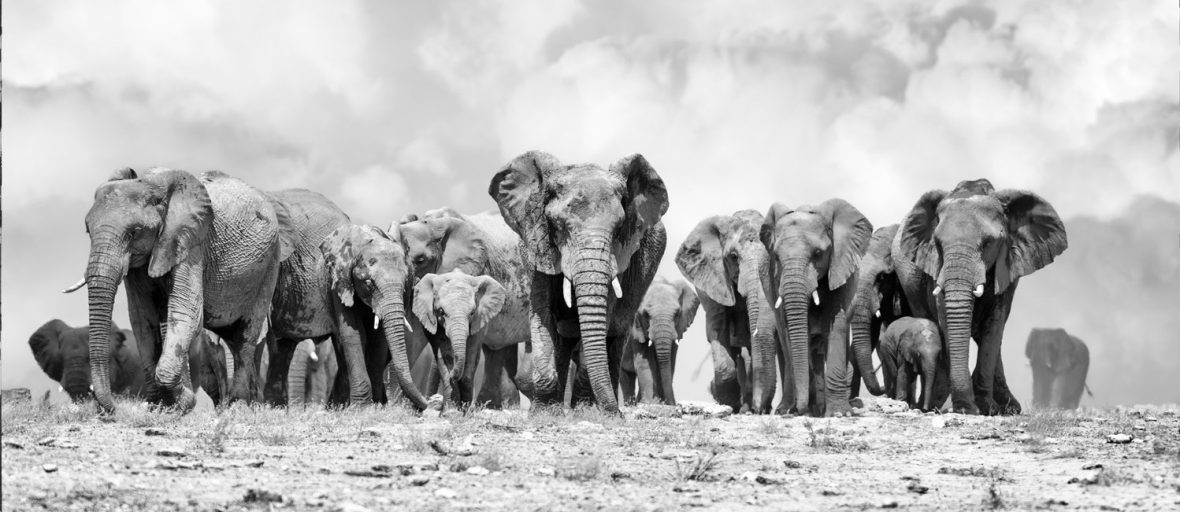

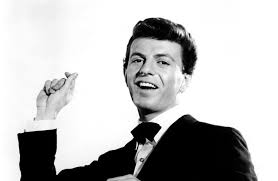

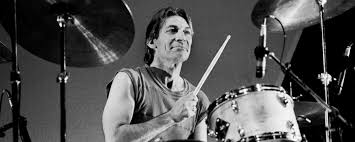
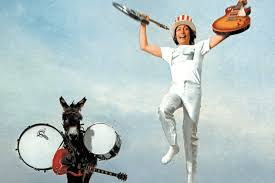

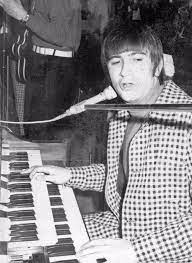
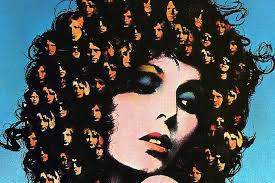

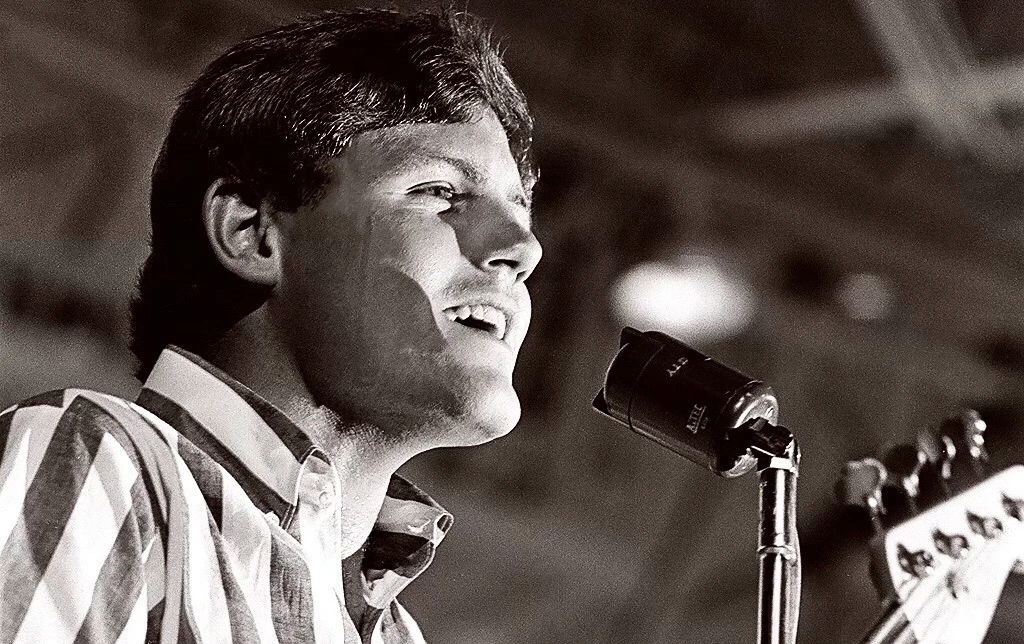
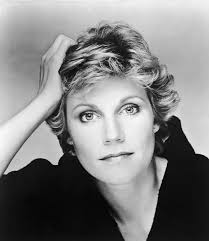
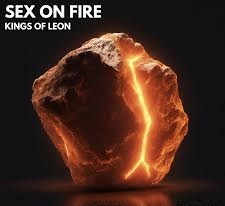


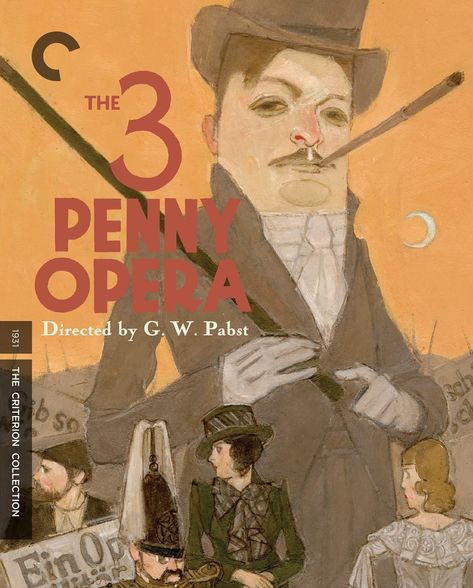

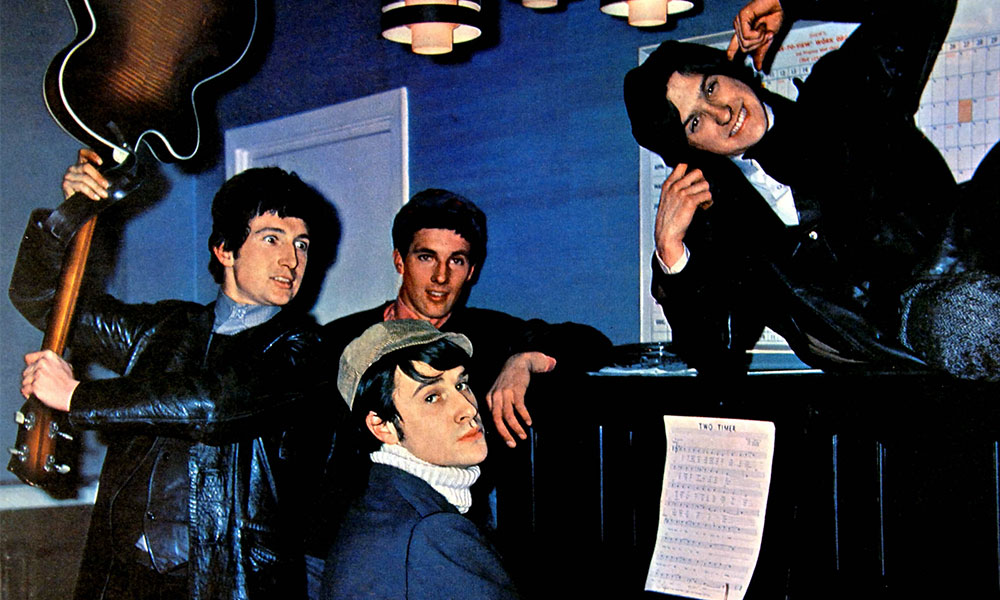



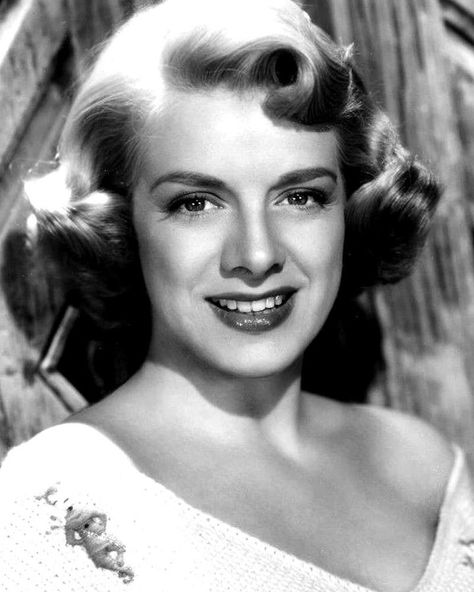


 The Elephant's Trunk