Inspired by Max’s blog, ‘Old Steam Ships’ –
“SS Vyner Brooke: The Nurses Last Voyage”.
This is the true story of Australian Army Nurse,
Vivian Bullwinkel. The facts and story are true;
her dramatized voice is as authentic as possible.
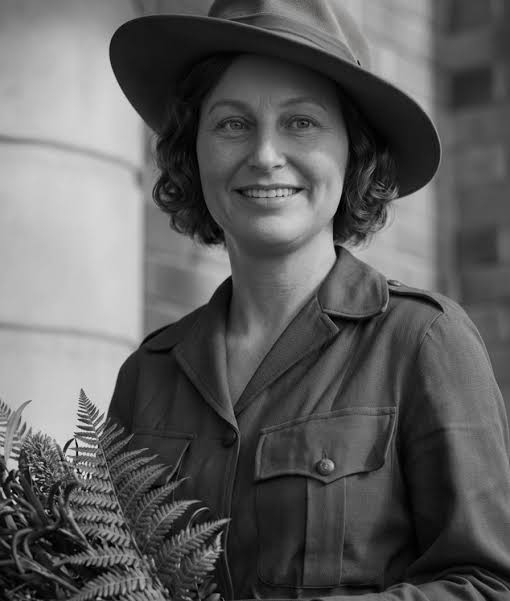
© The West Australian
I grew up in Broken Hill, which is a long way from anywhere. Red dirt, a hot wind, the mine whistle telling the whole town what time it was. Mum and Dad, my brother John; sport on Saturdays, church on Sundays. I was tall and gangly and I laughed too loud. They made me school captain in 1933, which mostly meant standing up straight at assembly.
Nobody in Broken Hill ever sat me down and said, Vivian, one day you’ll stand in the sea with your back to a machine gun. Why would they? You don’t raise a girl for that. You raise her to be useful, to be kind, to pull her weight. That was all I had and it turned out to be enough. Only just.
When something’s in front of you, you do the next thing.
I trained as a nurse because I liked people and I liked being needed, and because a girl my size was never going to be anybody’s delicate flower. First Hamilton, then Melbourne. Bedpans and dressings and night shifts, holding a hand at three in the morning. Ordinary work. I loved it.
In 1941 I tried to join the Air Force nurses. They turned me down for flat feet. I was cross for a week. I joined the Army instead …. the 2/13th Australian General Hospital …. and in September we sailed for Singapore. We thought palm trees, starched veils, dances with the handsome officers. We were girls, really.
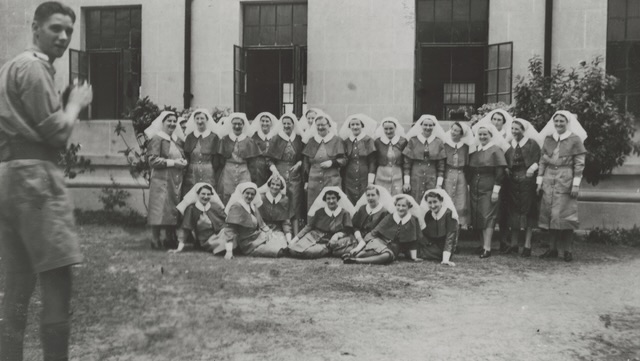
These nurses served with Vivian Bullwinkel, back row, 6th from Left
(partially obscured). © Australian War Memorial
Then the Japanese came down through Malaya. We packed up the hospital, and packed it up again, and then there was nowhere left to take it. On the twelfth of February 1942, they put sixty-five of us nurses aboard a little coastal steamer called the Vyner Brooke; two days later the planes found us.
I won’t pretend I remember it neatly. The noise, the ship tipping over, getting the wounded into the water ahead of ourselves because that’s the proper order. Hours in the sea, hanging on to whatever floated. Then sand under my feet …. Radji Beach, on Bangka Island.
There were about a hundred of us on that beach: nurses, civilians, British soldiers off another ship, men too badly hurt to walk. We talked it over and decided to surrender. It was the only sensible thing. You can’t hide stretcher cases in a jungle. Matron Drummond sent the civilian women and children off toward town while we nurses stayed with the wounded. Of course we stayed. That’s the pledge.
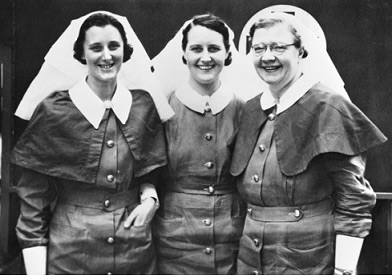
all survived the sinking of the Vyner Brooke.
© Australian War Memorial
When something’s in front of you, you do the next thing.
The soldiers came. They took a group of men around the bluff and we heard the ghastly thrusting sounds of their bayonets, then they came back and did it again. When the men were all gone, the soldiers came back and told us to walk into the sea.
Twenty-two nurses. Some of us arm in arm. Nobody screamed, nobody cried, nobody talked. I’ve thought about that a great deal, how quiet the girls were. How brave. I wasn’t thinking anything grand. I was thinking about my mother.
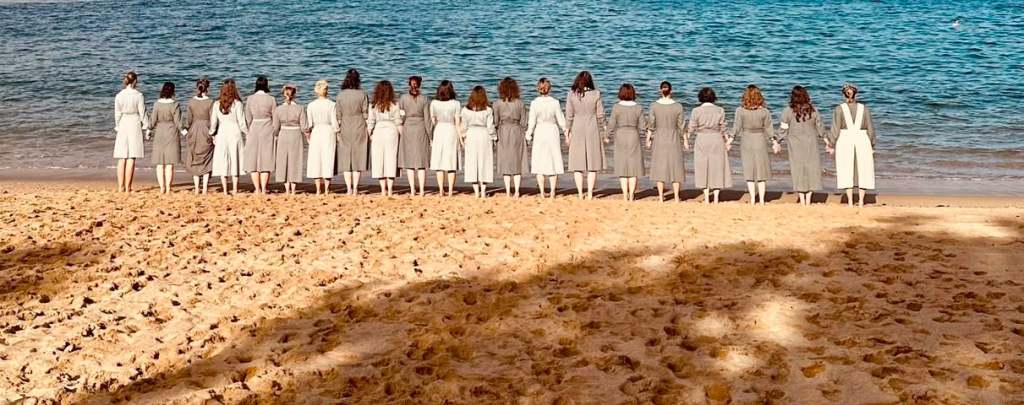
The bullet went straight through me. It missed everything that mattered. I can’t explain that, and I’ve stopped trying. I lay in the water and let the waves roll me, and I played dead until there was nobody left to see. Nobody. Not one of my 21 sisters survived.
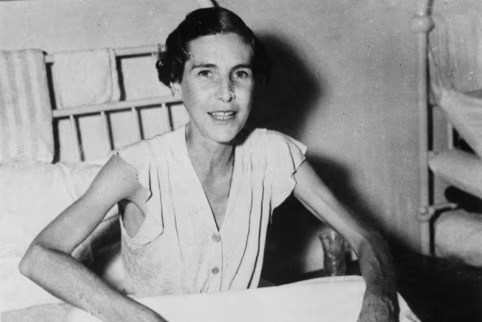
When I crawled up into the scrub, I found a British private, Cecil Kingsley, shot through the stomach. For twelve days I dressed his wounds with whatever I could find, fetched water, got food from the local village. I hardly noticed my own wound until he was settled. Funny what the training does to you.
When we had nothing left, we walked out and gave ourselves up. Cecil died soon after. I think about him more than people would guess.
© Australian War Memorial
Then came three and a half years in the camps. Hunger, beriberi, malaria, burying friends in ground so wet the graves filled before we’d finished. All that time I had to keep quiet about what happened on Radji Beach, because in a place like that, being a witness is dangerous. The other girls guarded my secret as if it were their own. And we sang, if you can believe it. Miss Dryburgh wrote music for us out of nothing. You find the small good thing and you hang on to it.
When something’s in front of you, you do the next thing.
After the war I went to Tokyo and answered the tribunal’s questions about what had happened. I said it plainly, because that’s what the girls were owed. Then I came home and went back to work, at Fairfield, the infectious diseases hospital. In 1975 we took in the Vietnamese orphans from the Babylift. Tiny things, frightened and sick. It wasn’t so different, really. Somebody needs looking after, so you look after them.
People call me a hero; I understand why, and I don’t want to be rude about it, but I was just a nurse. Twenty-one of my friends walked into that water beside me and didn’t walk out, and I was no braver than any of them. I was luckier, that’s all. Luck, and the job, and a stubborn country girl who wouldn’t lie down until she was told to.
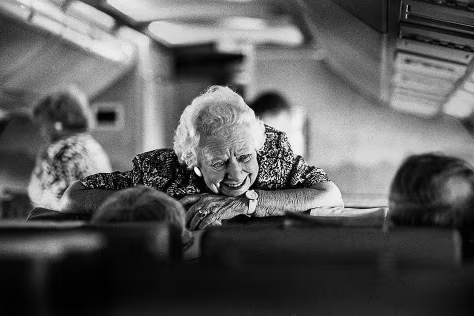
Photo by David Bailey
In 1992 I went back to Bangka to unveil a shrine to them. I stood on that beach, an old woman now. The sea was very calm, and I said their names.
Here’s what I know. Life doesn’t warn you. It gives you a happy childhood and a pair of flat feet and a uniform, and then one day it gives you something unthinkable. You don’t have to be ready. Nobody is. You just have to get up.
And when something’s in front of you, you do the next thing.
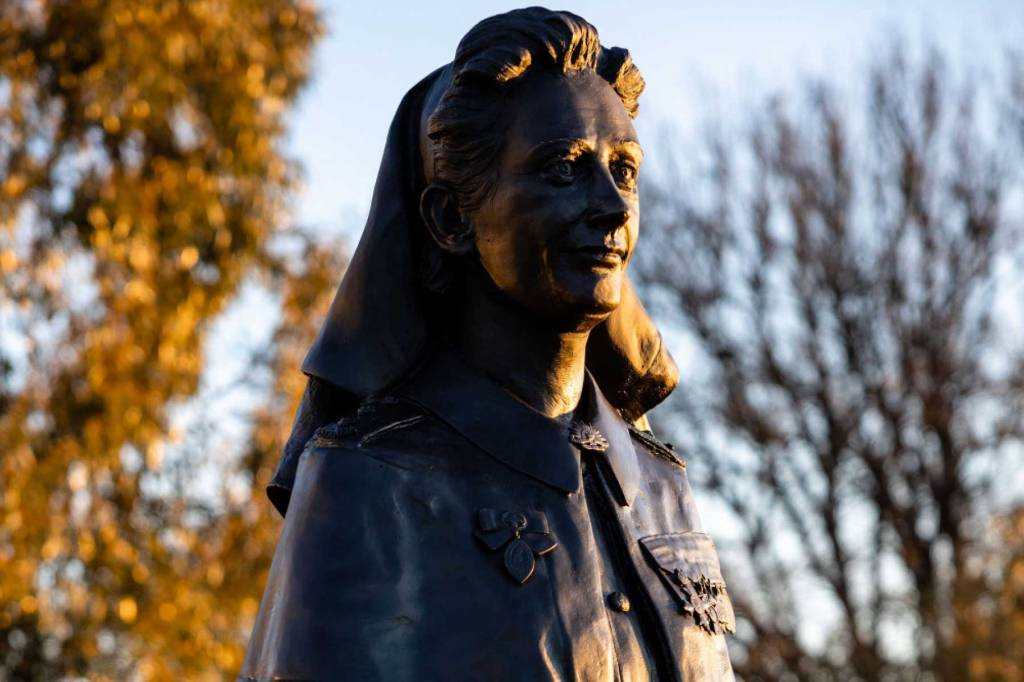
Australian College of Nursing
© The West Australian
NAR©2026
This is “The Nurse Who Stood Again” by Jason Smithwick
Everything on The Elephant’s Trunk was created by me, unless otherwise indicated, and may not be used without permission. Thanks for your consideration. NAR©2017-present.

