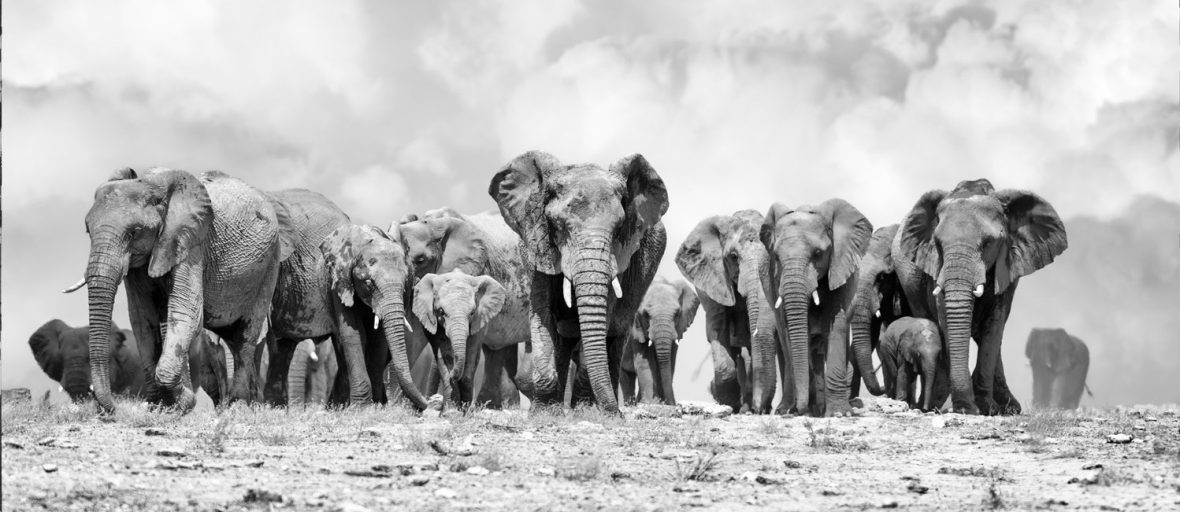
Inspired by Max’s blog, ‘Old Steam Ships’ –
“SS Sultana: A Fire That Changed Laws”.
This poem/ballad was written in the voice of
Sarah Campbell, widow of Pvt. William T.
Campbell, 7th Tennessee Cavalry. Everything
I have written about Pvt. Campbell, Cahaba,
Andersonville, and Sultana is true and based on fact.
Nancy’s Notes: In my poem, I make note of Cahaba and Andersonville. During the Civil War, Cahaba, Alabama, served as a bustling cotton-shipping hub and the site of a notorious Confederate prisoner-of-war camp. Surrounded by a 12-foot wooden stockade, the cramped compound held upwards of 3,000 Union prisoners at its peak, well over its intended capacity. In February 1865, a severe flood inundated the town and the prison, forcing guards and prisoners into freezing waters and causing immense hardship. Andersonville was another notorious confederate military prison that operated in Georgia during the final months of the Civil War. Prisoners lacked adequate shelter, living in flimsy, self-built huts or exposed to the elements. A small, slow-moving stream running through the camp served as the primary source for drinking, bathing, and waste disposal, quickly turning into a polluted cesspool. Nearly 13,000 Union soldiers …. roughly 28% of the camp’s population …. died from malnutrition, scurvy, dysentery, typhoid, and severe exposure. Near the end of the war, Confederate and Union generals met to discuss a prisoner exchange; many who were released in March 1865 boarded the steamboat Sultana to head home. One month later, the ship’s boiler exploded while on the Mississippi River, killing at least 1,200 former prisoners and resulting in one of the worst maritime disasters in U.S. history.
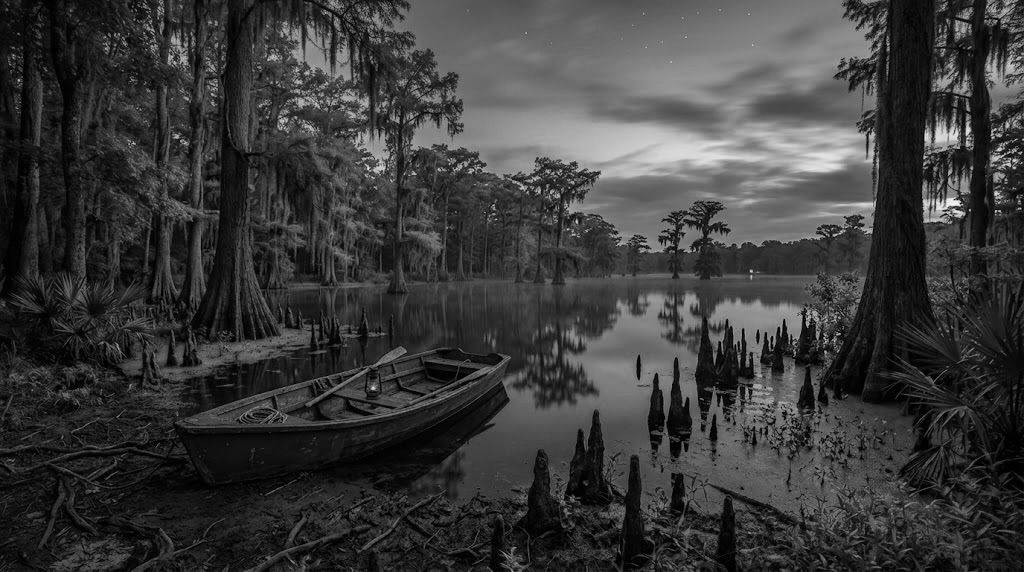
This is “Almost Home”; lyrics and arrangement created by me with music by Suno. You may click to listen along while you read.
“Almost Home“
in the voice of Sarah Campbell,
widow of Pvt. William T. Campbell,
7th Tennessee Cavalry
When word came you’d been captured, William
that spring of ‘sixty-four,
I knelt and thanked the Lord you lived
and asked Him nothing more.
I did not know Cahaba then,
the river through the floor,
where men stood knee-deep in the water
till they could stand no more.
I did not know of Andersonville,
the creek that was your drink,
the dead they carted off each dawn
while the living watched them sink.
But you came through it, William, all,
the rifle and the pen,
the fever and the starving year,
you lived to walk again.
Oh, William, almost home,
with the long war nearly done,
you came through every jail they had
and died where no one fired a gun.
Through Cahaba’s flood and the Georgia pen,
through the hunger and the war,
the river took you almost home,
almost to my door.
They marched you out to Vicksburg
In the thaw of ‘sixty-five,
and someone wrote your name down
on a list of men alive.
Exchanged, the letter told me.
Exchanged, I learned the word
the way a child learns Scripture,
repeating every word.
They packed you on the Sultana,
six men for every one
she’d ever been built to carry,
and they called the business done.
Her boiler leaked; they patched it
and swore that it would hold,
for every head put on that boat
was paid for, bought and sold.
Oh, William, almost home,
with the long war nearly done,
you came through every jail they had
and died where no one fired a gun.
Through Cahaba’s flood and the Georgia pen,
through the hunger and the war,
the river took you almost home,
almost to my door.
Two hours past midnight, north of Memphis,
the river wide with rain,
the boiler burst, and you were thrown
into the dark again.
some burned, some scalded where they slept,
some drowned in water cold.
I do not know which way you went;
I never will be told.
It was our Tennessee, they say,
that lay along the shore;
you died in sight of your own state
after all those years of war.
What reckoning is in it, Lord,
to keep him through the worst,
then give him to the river
after hunger, flood, and thirst?
I set your plate at table still;
the children ask me why.
I tell them that their father walked
through hell and did not die.
No jail and no rebel guard
could ever lay him by;
it took a boiler and a greedy man
and a river running high.
Oh, William, almost home,
with the long war nearly done,
you came through every jail they had
and died where no one fired a gun.
Let others call it Providence
and leave the thing alone.
I’ll cut into your empty stone:
He was almost home.
Almost home.
NAR©2026
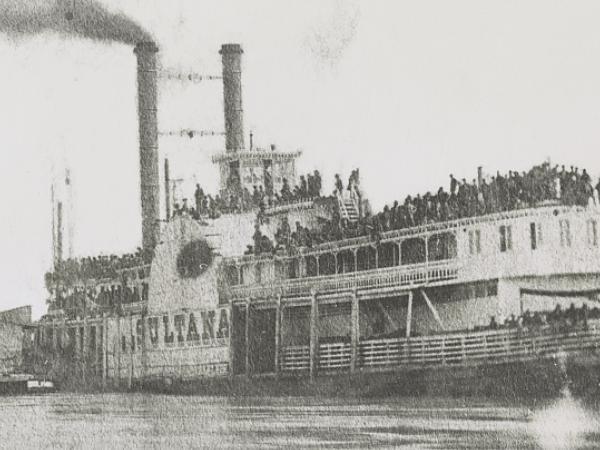
This is the official trailer for the documentary “Remember the Sultana”
Everything on The Elephant’s Trunk was created by me, unless otherwise indicated, and may not be used without permission. Thanks for your consideration. NAR©2017-present.

