Inspired by Max’s blog called ‘Old Steam Ships’.
This is my fiction story combined with facts about
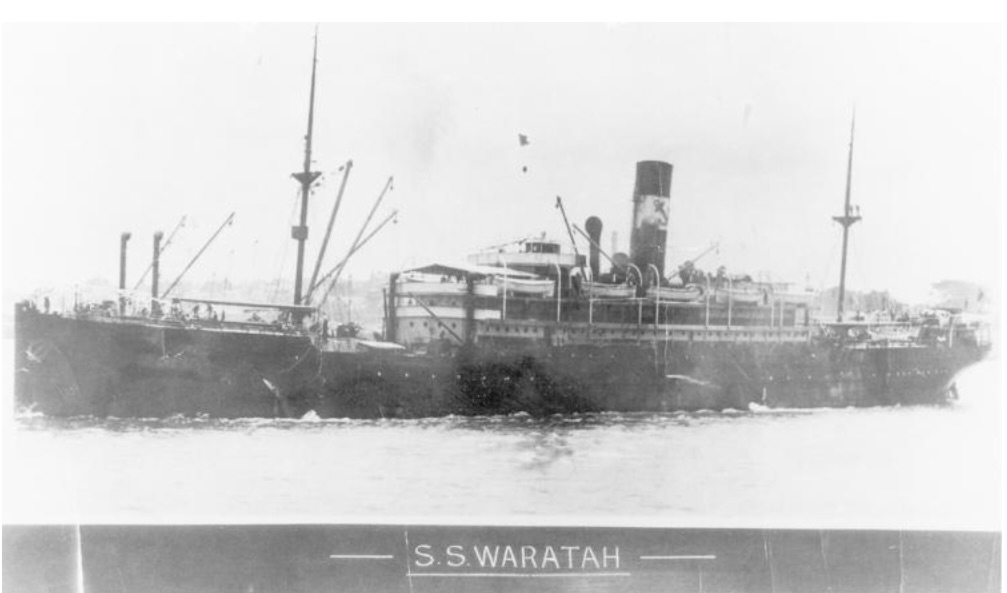
four passengers on board the doomed SS Waratah.
© Brittanica
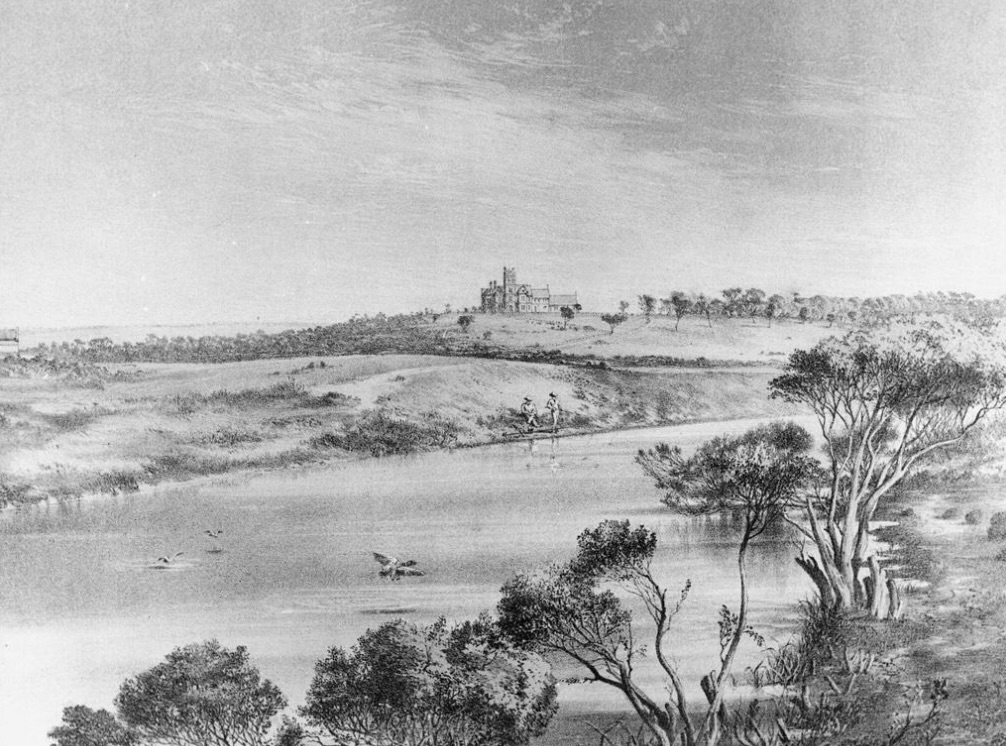
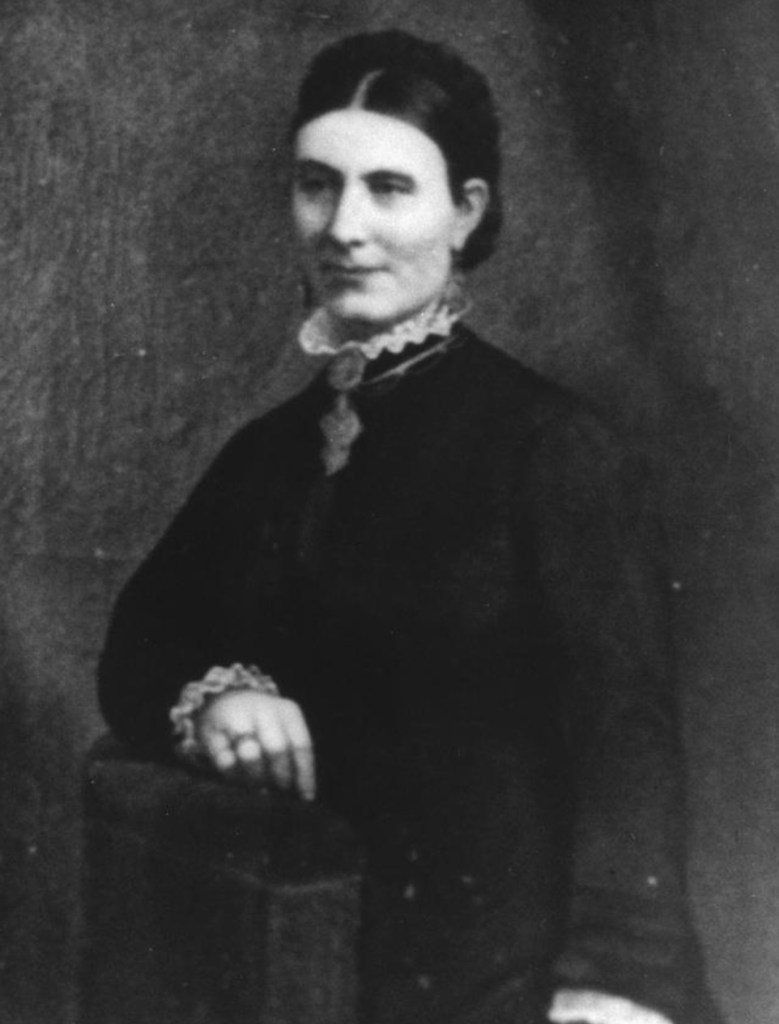
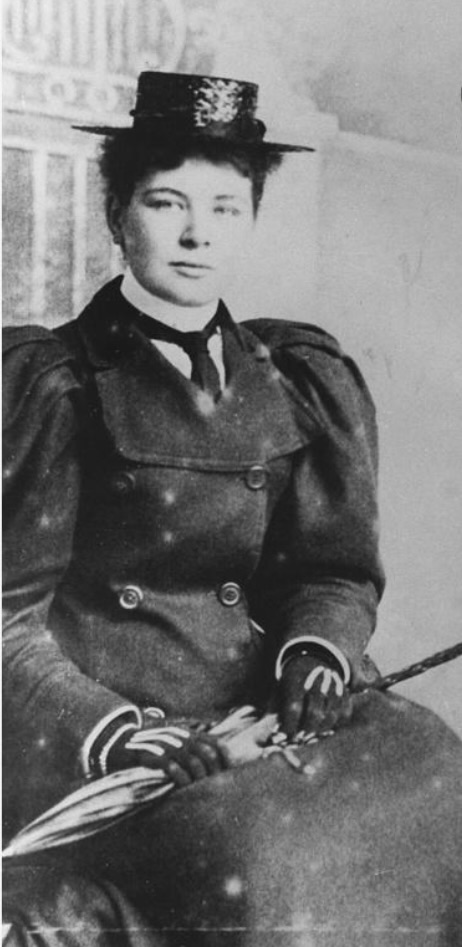
The fire had taken everything …. the great house, the library, the good china Agnes had carried from Edinburgh forty years before. Mount Breckan still smelled of char in her memory when she and Dolly boarded the Waratah at Port Adelaide in July of 1909. Agnes told herself they were going forward, not fleeing. Gertrude needed them in London; a new baby was coming. Life, however diminished, was insisting on itself.
She had the manuscript, at least. Three hundred pages tucked in a leather satchel, The Modern Canaan, her comparison of settlers and wanderers, people who carry their homelands inside them because no geography will hold them properly. After eighteen ocean crossings, Agnes understood this better than most.
© Brittanica
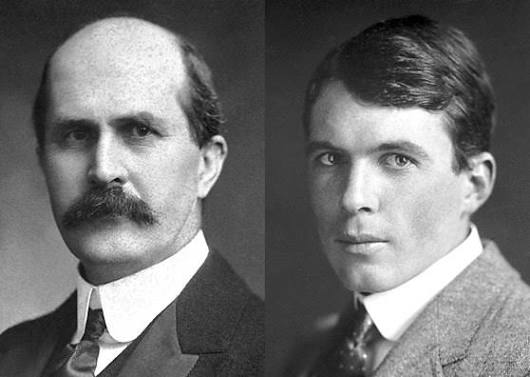
She recognized the Braggs from the maiden voyage the previous year …. the Professor tall and slightly distracted, his son Lawrence a lean twenty-year-old with watchful eyes and the habit of carrying a small notebook. On that first crossing, the boy had spent hours on deck measuring something, comparing something, always comparing. His father had explained it to her over dinner one evening: they were studying how crystals revealed the structure of matter, how the invisible could be read through what it left behind. Agnes had thought immediately of archaeology. Of grief.
© Brittanica
On this second voyage, Lawrence found Dolly at the stern railing on the second morning out of Port Adelaide, watching the wake dissolve into the Southern Ocean. They fell into conversation the way young people do when the usual social architecture has been stripped away by open water. Dolly was thirty-one, sharp-minded, not beautiful in the conventional sense but interesting in the way that tends to last. Lawrence was twenty years old and brilliant in the way that does not yet know what to do with itself.
“Your mother writes,” he said. It wasn’t a question; he’d seen her at the desk in the first-class salon each morning.
“She’s comparing Australia to the Promised Land,” Dolly said. “I’m not sure either place comes off very well.”
He laughed. She did not expect him to laugh. She liked it.
© Brittanica
Agnes observed them from her deck chair without appearing to, the way mothers learn. She found the Braggs good company…. the elder was serious but warm, a man of Adelaide like her late husband, and he spoke of his physics with the same quiet conviction Alexander had brought to the land. They were men who believed in what they could prove and yet suspected there was more.
The Waratah rounded the Cape and moved up the African coast. Agnes was on the final chapter. The ship rolled in a way she hadn’t noticed before, a low, patient listing, as though it were thinking about something. She held the manuscript pages flat with her forearm as she wrote.
On the evening of the twenty-sixth, off Durban, the sky behind them turned a color she had no word for …. not red, not violet, something older than either. She stood at the railing until Dolly came to find her.
“Come in, Mother. The weather’s turning.”
Agnes looked back once at the darkening water, at the wake vanishing behind them as all wakes do, as though the ship had never passed at all.
“Yes,” she said. “All right.”
She tucked the manuscript under her arm and followed her daughter inside.
NAR©2026
Nancy’s Notes: This is a work of fiction combined with fact. Agnes Grant Hay and her daughter Helen “Dolly” Hay, and all others aboard the SS Waratah were never seen again. The ship disappeared off the South African coast on July 27, 1909. However, it is of importance to note that Professor William Bragg and son Lawrence Bragg were passengers on the maiden voyage of SS Waratah; they were not on board during this trip when the ship was lost. Father and son went on to win the Nobel Prize for Physics in 1915; Lawrence Bragg was 25 years old …. the youngest Nobel laureate in science to this day.
This is “Nautical Disaster” by The Tragically Hip
Everything on The Elephant’s Trunk was created by me, unless otherwise indicated. Thanks for your consideration. NAR©2017-present.



Great story, Nancy.
LikeLiked by 1 person
Thanks, Iris. If you told me two months ago I’d be writing stories about steam ships and loving it, I would have laughed out loud. You never know!
LikeLiked by 1 person
You’ve written this story so well dear friend. Loved it
LikeLiked by 1 person
I’m so pleased to know you enjoyed this install installation, Sadje. These ships really seem to talk to me.
LikeLiked by 1 person
😍😍😍
LikeLiked by 1 person
What a gorgeous blend of histories! Thank you so much for telling this story- truth be told- I was kind of rooting for Lawrence and Dolly to fall in love…
LikeLiked by 1 person
Truth be told …. so was I …. but even with my warp speed imagination, I couldn’t reconcile changing the course of history that much! I’m glad you’re enjoying these stories, Jodi. Thank you.
LikeLiked by 1 person
Very interesting, Nancy.
LikeLiked by 1 person
So pleased to know you are enjoying my ship stories, Jim. Thanks very much.
LikeLiked by 1 person
I knew I heard of the Braggs before. Your story was so good I thought I missed listing the Braggs to the sinking at first. Excellent story Nancy! Thank you so much.
LikeLiked by 1 person
Thanks so much, Max. Truthfully, I was going to write about Claude and his dreams, but you did such an excellent job in that department, there was no need for me to continue. A little research and I was excited to discover Agnes and Dolly. I think their story is so much more interesting with the addition of the Braggs and that’s where my imagination went into overdrive. I’m already anticipating the next ship.
LikeLiked by 1 person
I so much appreciate your posts as well. Like I said last week…you keep so much real (like with Agnes and Dolly) and that makes it fantastic. When I started this, never did I think I would find these rich of stories. I told someone yesterday…I love the ships but it’s the stories that draw me in.
LikeLiked by 1 person
That’s funny, Max. I was just telling my sister the same thing; never in my wildest imaginings did I think I would be writing about steam ship disasters … and enjoying it so much! Keep the facts coming and I’ll provide the fantasy. 😎
LikeLiked by 1 person
If you would have told me this 3 months ago I would have chuckled as well. I sure will Nancy…thanks again!
LikeLiked by 1 person